Our Approach
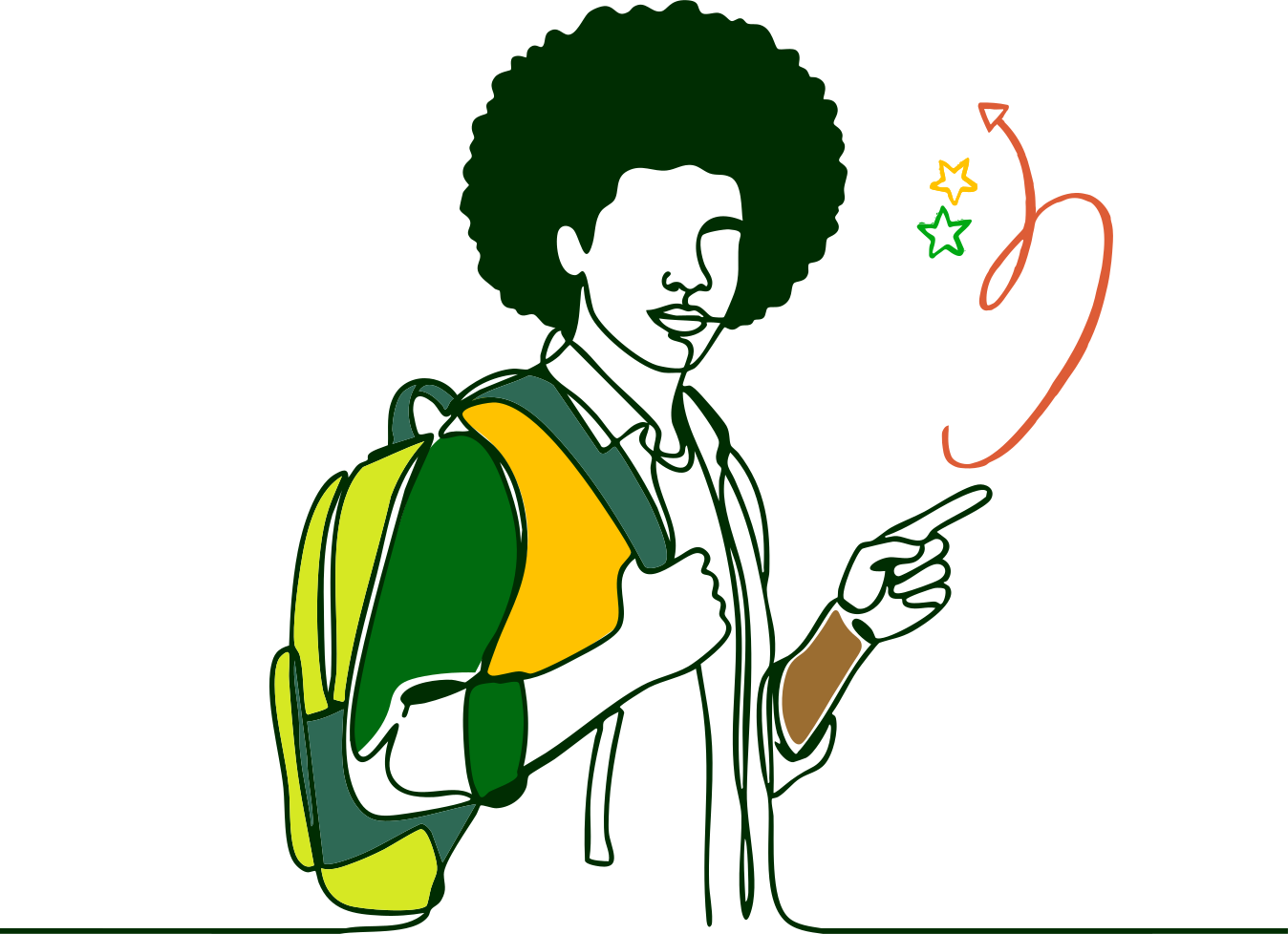
Our methodology is based on a participatory approach, in close collaboration with local communities to identify real needs and develop sustainable solutions.
WHAT WE DO
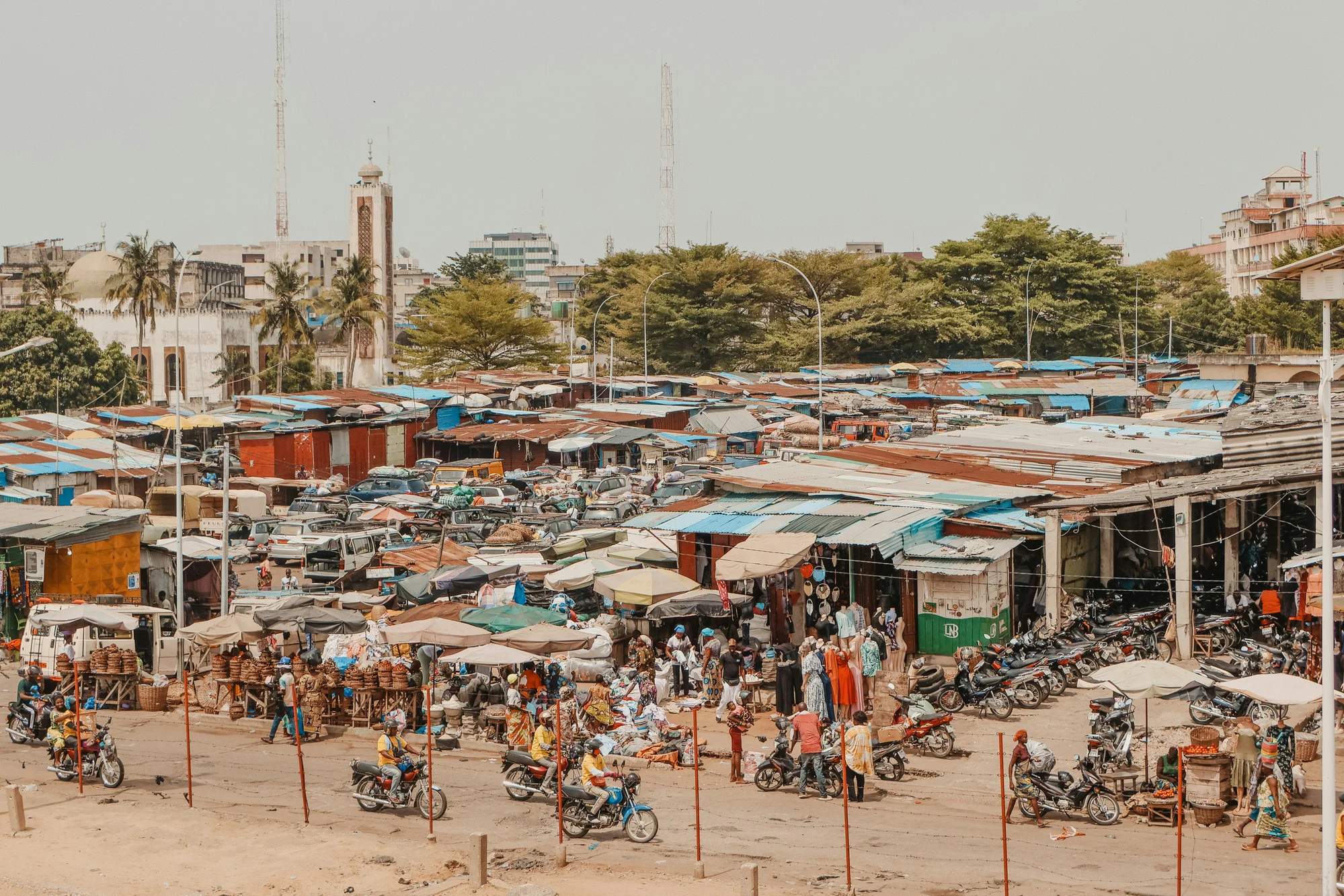
We work to improve education, protect the environment and promote African culture, while supporting solidarity initiatives between Europe and Africa. Our projects respond to concrete needs: offering books to students, training in first aid, raising awareness about biodiversity and giving a voice to historical memories.
Through these actions, we seek to break the vicious cycles linked to educational poverty, strengthen the resilience of communities and create bridges between generations. Each initiative we undertake is designed to be sustainable, participatory and human-centered.
PODCAST
Once Upon Colonization
A documentary podcast that explores the traces of colonialism through forgotten stories, rare testimonies and unpublished archives.

A FUTURE GENERATION AWARE OF BIODIVERSITY AND OUR ECOSYSTEM.
An immersion in the heart of the Togolese ecosystem to discover its fauna and flora, and raise awareness among young people about environmental issues.

BOOK EDUCATION
This project facilitates access to education by making books available to students in Africa and students in Europe, in order to promote reading and fight student poverty.
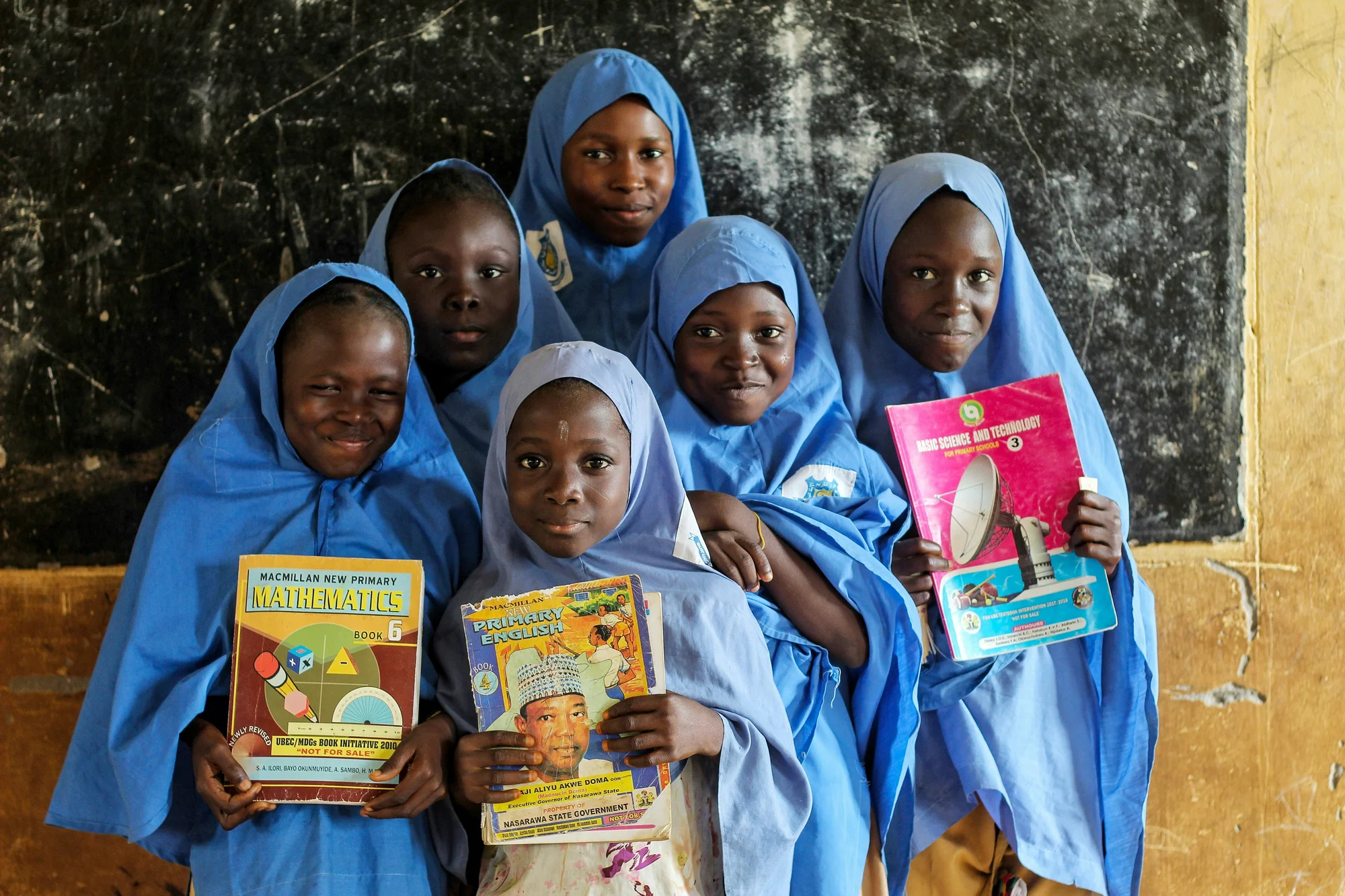
Our education systems suffer from a handicap.
The education sector in Africa faces an accumulation of structural and human challenges that hinder its effectiveness. These challenges are multiple: access disparities between rural and urban areas, specific difficulties related to girls' schooling, persistent social and economic obstacles.
Unequal access to education remains a major obstacle. The lack of educational and human resources, combined with insufficient or dilapidated infrastructure, deprives thousands of students of suitable learning conditions.
The quality of teaching is also problematic. Too many learners reach the end of the cycle with a low educational level, reflecting a system that has been frozen for decades. The monotony of lessons, the absence of educational innovation and the virtual disappearance of extracurricular activities reinforce this fragility.
Beyond school learning, this educational deficit also limits the development of young people's social and professional skills, reducing their prospects in a globalized world.
Ask yourself the question
We attach capital importance to the development of young people's professional skills in a global context.
SUPPORT US WITH A DONATION
Choose how you want to give
A monthly gift of €10 helps sustain our field actions regularly.
Or choose your own amount
HOW CAN YOU HELP?
Your donation today can change lives.
Your gesture today will help provide books to students, train teachers in first aid and grow projects that protect the future. Thank you for your support.
If you can't do great things, do small things in a great way.
FAQ - Frequently
asked questions
maybe your questions already have their answers here.
How do you choose a project and where do you intervene first?
How do you measure the impact of actions?
What role do partners, schools, communities and companies play?
How do you ensure transparency of funds and in-kind donations?
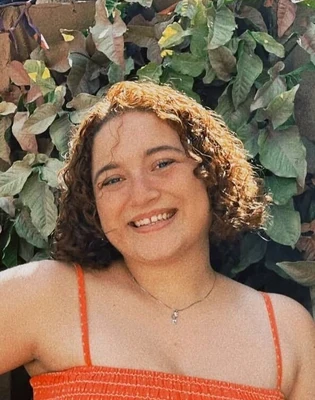
Ana Flávia
Our partners aren't funding a logo—they're funding hours of reading, FAS kits, and more autonomous lives.
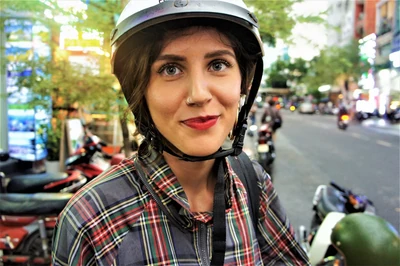
Juliette Portala
Colonization still exists in other forms; we name it so we can move beyond it.
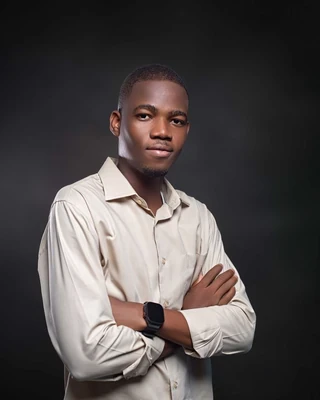
Kossivi Addey
We start by listening to local needs, then build responses that endure.
Receive our stories, news and offers directly in your inbox.
Receive our stories, news and offers directly in your inbox.
Receive our stories, news and offers directly in your inbox.