



Project

First Aid Skills
A project that trains teachers and students in first aid and equips schools with medical kits.
Concerned regions
West Africa
Categories
Project
First Aid Skills
A project that trains teachers and students in first aid and equips schools with medical kits.
Concerned regions
West Africa
Categories
Project
First Aid Skills
A project that trains teachers and students in first aid and equips schools with medical kits.
Concerned regions
West Africa
Categories
Project
First Aid Skills
A project that trains teachers and students in first aid and equips schools with medical kits.
Concerned regions
West Africa
Categories

Why launch such a project?
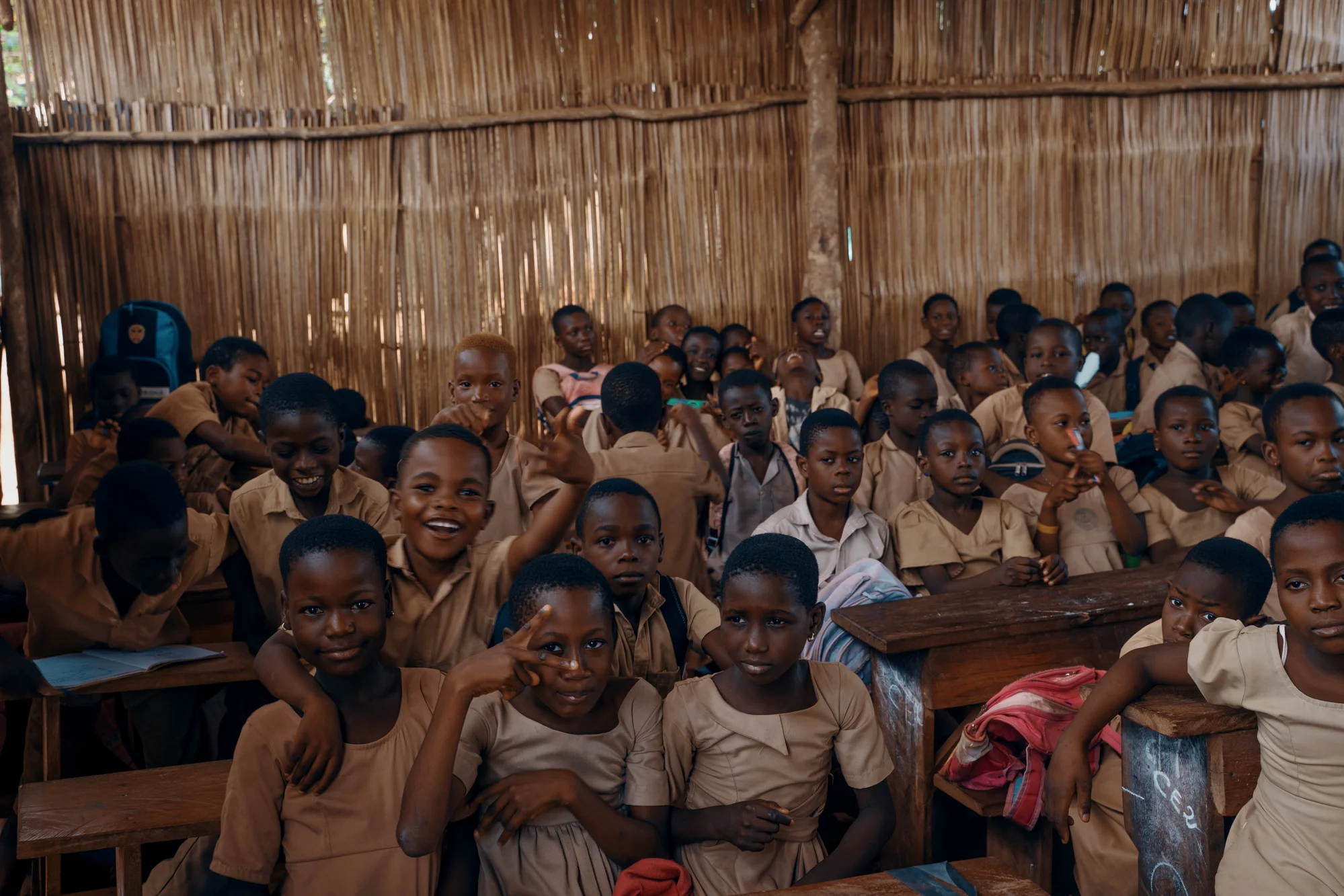
In West Africa, more than 96% of schools have no first aid kits. Yet students spend most of their time at school, exposed to accidents and emergencies. Without training or proper equipment, a crisis can quickly become tragic.

Answer this question
This is a true story; we keep the details private, but the goal is to give you a clear picture of the situation.
A 10-year-old student collapses during class in a West African school. His tongue swells, he suffocates, unable to breathe. The teacher panics and doesn't know what to do. Other students fidget, some approach without grasping the severity. The teacher thinks it's a simple asthma attack, the staff first try to call the parents, but minutes pass... and nothing is done.
Moments later, the child dies.
The question is terrible:
who is responsible for this preventable death?
The teacher
knowing they have no first aid training or prior experience of such an event.
it's the teacher's fault
The school
For hiring a teacher who doesn’t know first aid, or not providing training.
it's the school's fault
The ministry of education
For not enforcing strict rules making first aid training a prerequisite.
it's the authorities' fault
Society as a whole
Because we accepted teachers working without being prepared to react in an emergency.
it's everyone's fault
You can only choose one option
The challenges we face in our schools

Panic during an accident
Accidents at school often cause panic and sometimes class interruption. Staff focus on calming the crowd rather than treating the victim.

Poor decisions, improper gestures
Without training, school staff sometimes make the wrong calls in emergencies. A bad move can worsen the situation instead of helping.

No suitable first aid kit
Without kits or basic supplies, life-saving actions are impossible. Every minute lost increases the risk for the student in danger.

Helpless witnesses
Students and staff, untrained, are spectators in a critical situation, unable to intervene effectively.
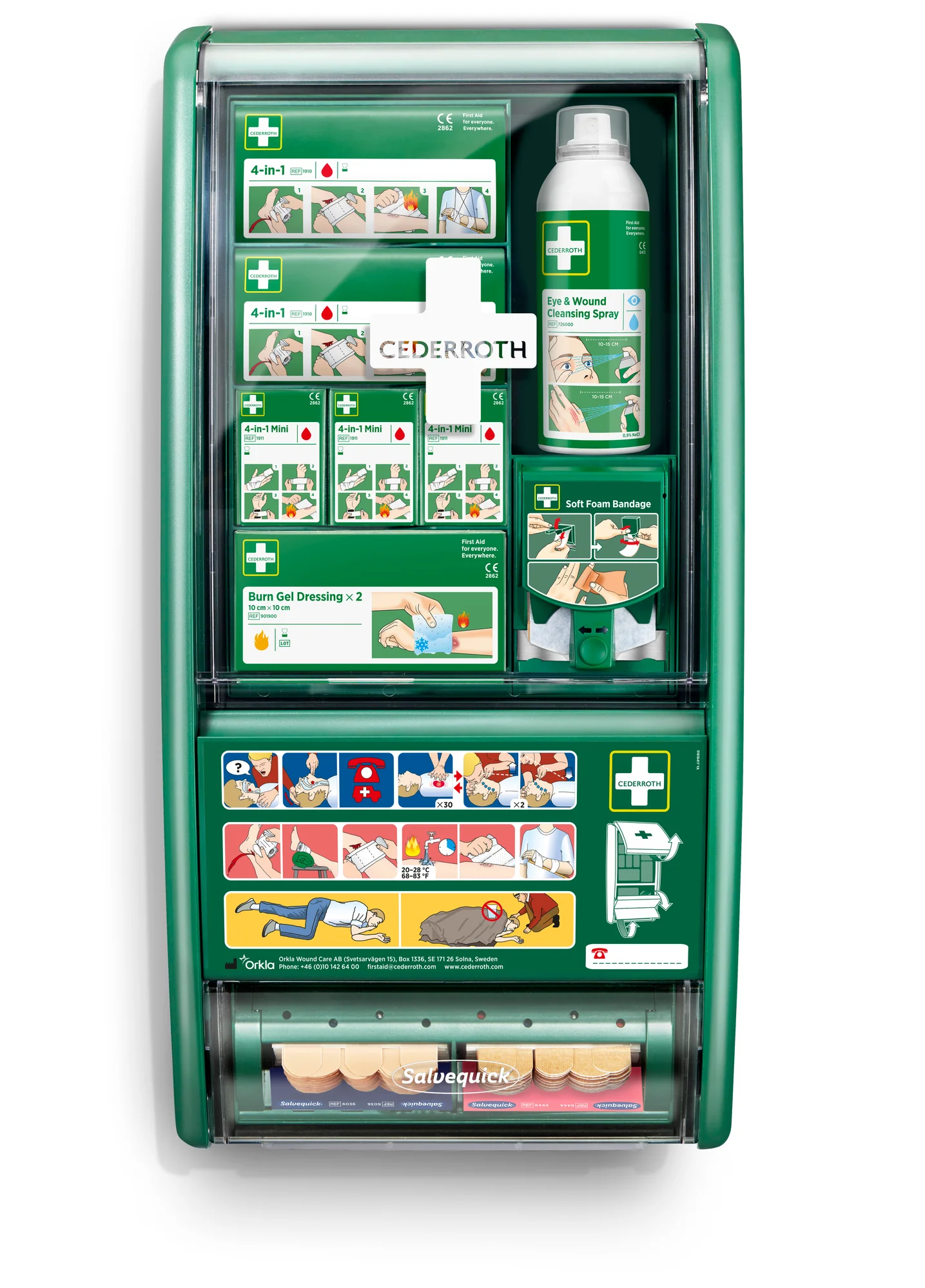
We launched the First Aid Skills project to prevent such tragedies: train teachers and students, equip schools, and make classrooms safer
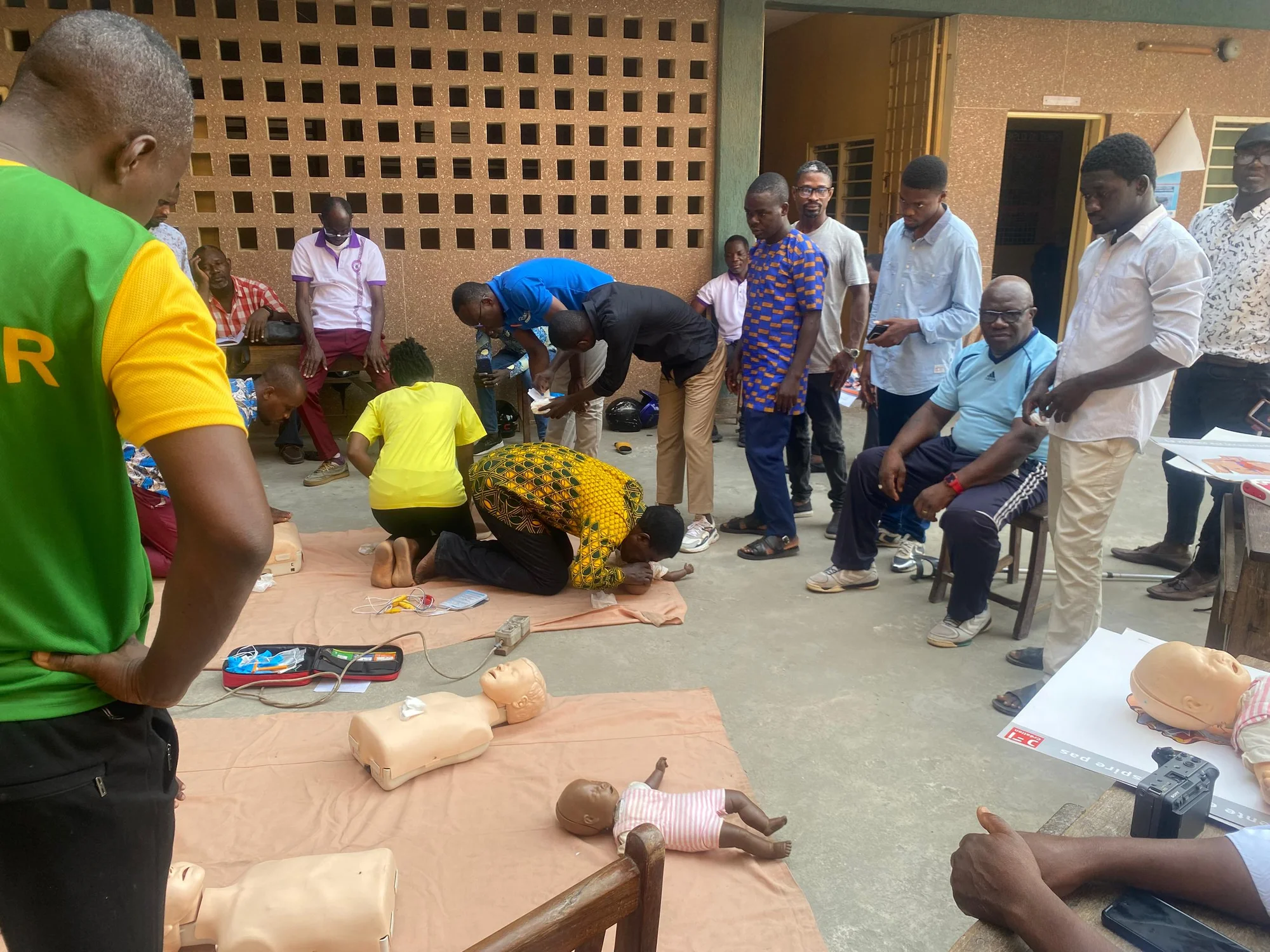
With First Aid Skills, we offer a simple, effective response: schools better prepared for emergencies. The program blends hands-on life-saving training, tailored first aid kits and practical pedagogy so every school can react quickly.
By training teachers and students, we build a true culture of prevention. Schools become secure places where confidence replaces panic and a simple gesture can save a life.
Our commitment is clear: equip, train and certify schools so no incident goes unanswered.
How you can strengthen school safety.
Training in life-saving gestures
Community involvement to purchase first aid kits
Periodic committee to check and refill first aid kits
Continuous updates and local adaptation of training modules
Refresher training every 2 years
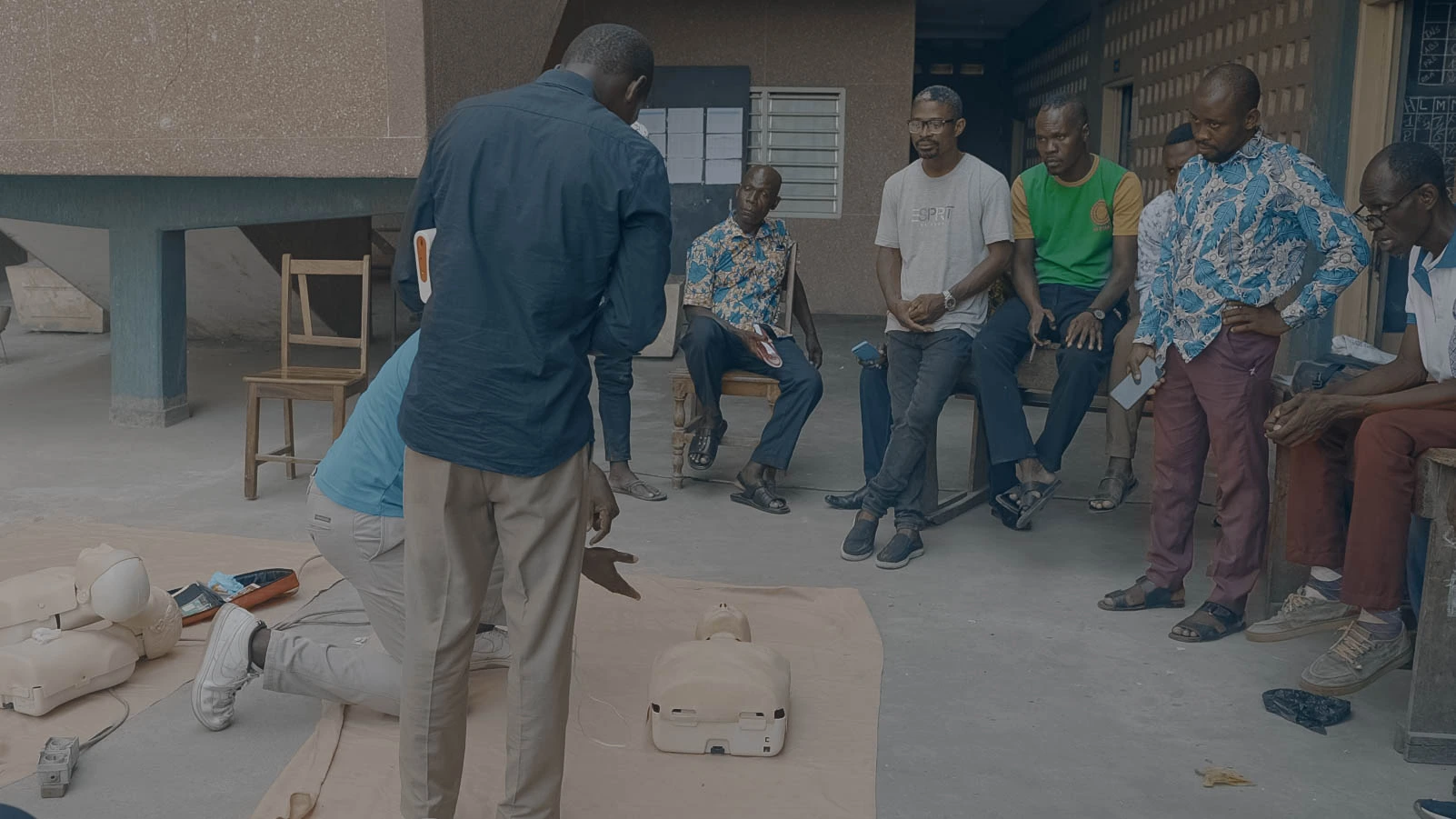
Solutions that help your schools thrive
Build your internal emergency management capacity to improve safety and reduce the impact of school accidents. Implement standard protocols, train your teaching teams, and rely on proven methods to improve response and care.
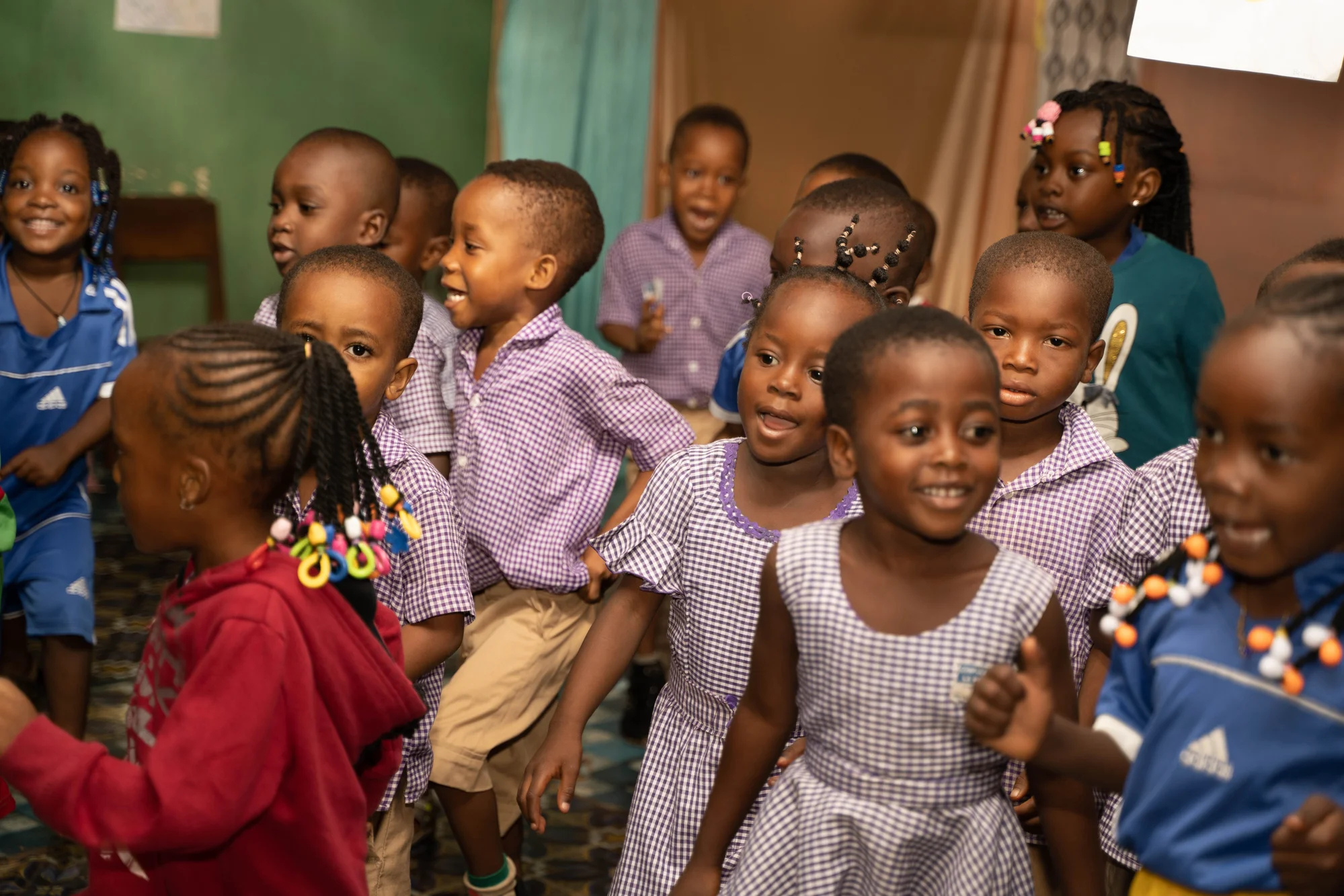
Let's act together to equip our schools and save lives
A simple fall in the playground, a cut followed by heavy bleeding, an asthma attack in class, a violent allergic reaction after a meal, an electrocution, a foreign body in the eye, a burn... In all these situations, every second counts.
For the diaspora
In developed countries, every school, office and public place has first aid kits and emergency gear. The least we can do for schools in West Africa is provide a first aid box. It's a simple gesture that can save a life.
For parents
Accidents strike without warning. Neither the state nor authorities will equip your schools for you. If private schools are out of reach, the least you can do is contribute to a first aid kit. It's shared responsibility and a way to protect your children.
For you abroad
It may seem unbelievable that a school operates without a first aid kit. Yet it's the daily reality for thousands of schools in West Africa. Donating a kit is a concrete act of solidarity that makes a real difference.
For all of us
First Aid Skills concerns us all. You can blame the teacher, the school, the ministry... but when an accident happens, the truth is: no one is prepared. Together we can equip, train and protect so a life is never lost for lack of readiness.
SUPPORT US WITH A DONATION
Choose how to give
Contribute with first-aid kit components
Give a complete first-aid box
Choose how you want to give
A monthly gift of €5 buys a box of sterile dressings each month to treat cuts and common injuries immediately.
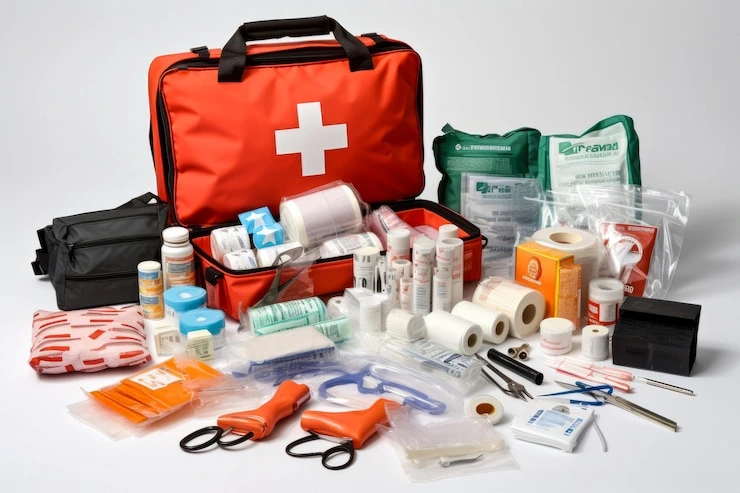
Schools need life-saving skills.
If you can't do great things, do small things in a great way.
Support us today!
see all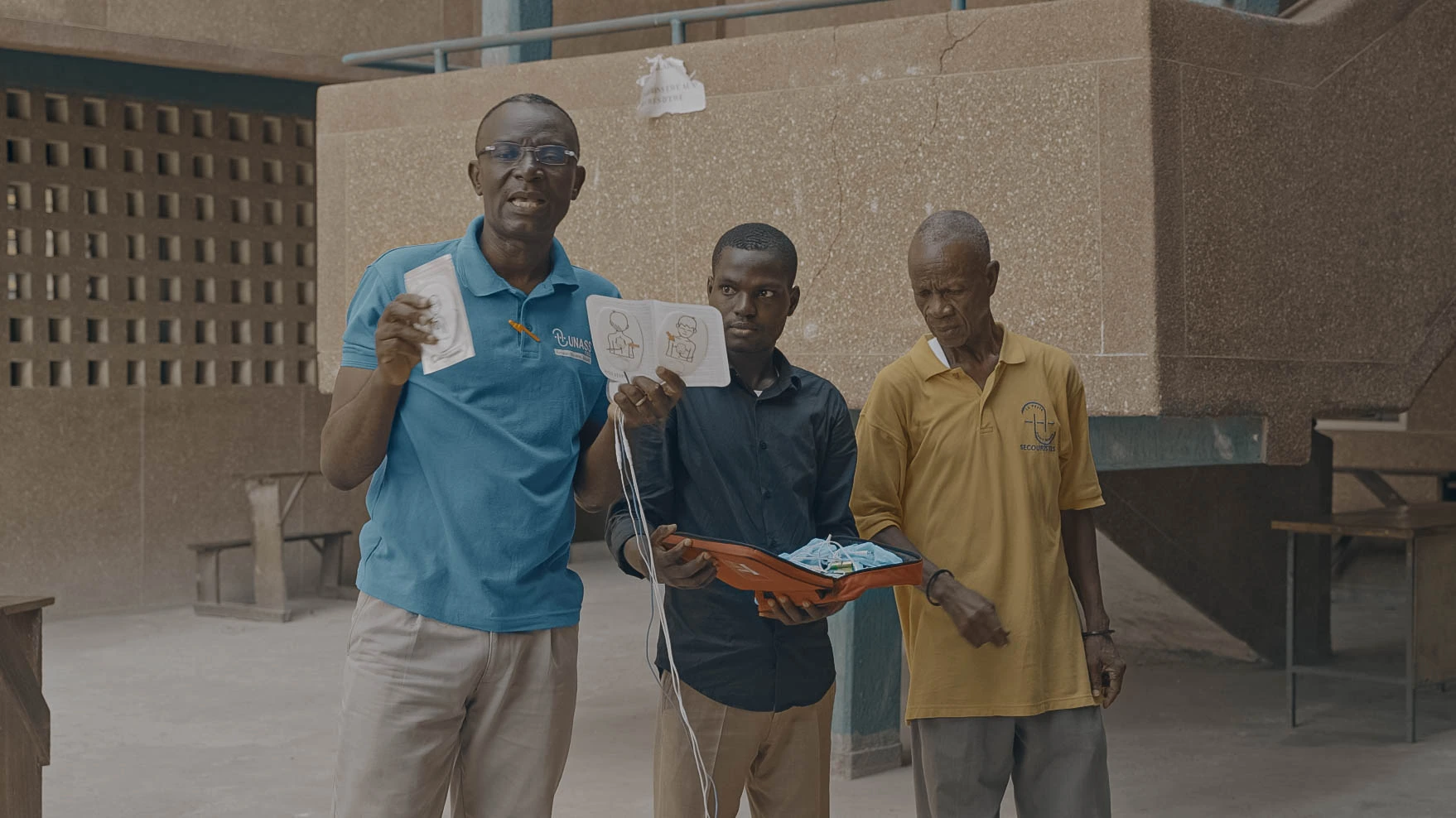
FAQ - Frequently
asked questions
Why introduce first aid in schools and training centers?
What do the distributed first aid kits contain?
How can I concretely support the FAS project?
Is the FAS project free for schools?