
Colonization destroyed and transformed. En cours de Colonisation explores identity, religion, sexuality, slavery. No glorifying, no denying—just understanding.
The idea for the podcast was born in a very simple moment—a discussion that ran long. One evening after a Betfrika meeting, we were talking about a comment under one of our Facebook posts, then about a book, then a memory from a history class, then an anecdote shared by a team member. At one point someone said, almost with a sigh: we keep circling the same things. We talk about the crime, and that is normal. But we do not talk about what it produced in our heads, our families, our ways of believing, loving, defining ourselves. In that moment we realized there was a blind spot.
That is the issue. Colonization is often told in binary terms. Either it is reduced to a list of horrors, or people try to “rehabilitate” it with arguments that hurt and erase. Between the two is a difficult but necessary space: understanding. At Betfrika, we wanted to stand in that space—without taboos but without provocation.
En cours de Colonisation was born from that intention. Not to rewrite history, but to read it better. Not to minimize, but to go further. The idea was never to seek excuses or fabricate artificial balance. The aim was to ask an honest question: what did this period break, what did it impose, and how do its traces still shape our societies today?
We quickly realized we could not make a generalist podcast. We had to choose angles—topics that go straight to the heart. That is when the editorial line emerged almost on its own. Identity, religion, slavery, sexuality. Four subjects that return constantly, even when we do not name them. Four areas where the colonial legacy shows in norms, fears, contradictions, silences, and sometimes conflicts.
Identity first. Colonization did not just move borders on a map; it moved mental landmarks. Categories, imposed languages, school systems, hierarchies—these all shaped how people saw themselves and were seen. In response, movements rose, ideas spread, consciousness formed. Understanding identity today also means understanding that period when many were forced to define themselves differently.
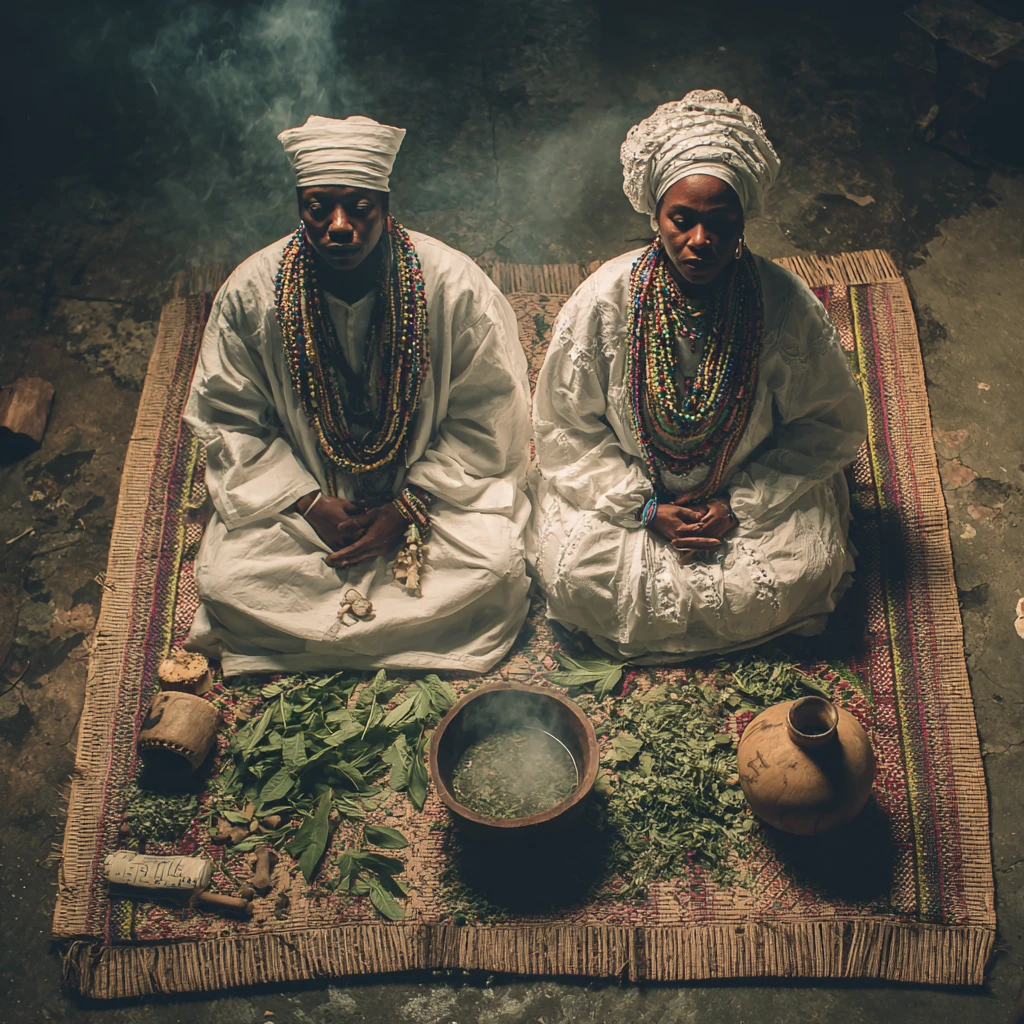
Religion next. Here again, the story is not simple. It is made of impositions, resistance, conversions, syncretism, family ruptures sometimes, and new institutions. This topic is everywhere in social life but rarely addressed calmly because it touches the intimate. In the podcast we take time to understand how beliefs, practices, and spiritual powers were recomposed.
Slavery too, because we cannot discuss colonization without looking at this machinery of dehumanization and its afterlives. Understanding systems, complicities, economies, and legacies is not about relativizing. It is about rejecting shortcuts and understanding why some wounds remain open and why certain inequalities seem to repeat.
And then sexuality. A topic often avoided, yet it says a lot about social control. Imported norms, moral codes, laws, taboos—all profoundly influenced the relationship to the body, desire, and gender roles. It is not a side subject; it is a mirror of societies and a revealer of what was imposed, transformed, or suppressed.
Behind the scenes, this podcast was also a discipline for us. We had to find the right tone. Not provoke to attract attention. Not simplify to go faster. Not give the impression of “balancing” horror with positives. So we set a simple rule: speak with nuance without losing the compass—skills we also sharpen in our rhetoric workshop. Understanding is not justifying. Exploring is not glorifying. Naming legacies does not erase violence; it helps face it.
If these questions speak to you, En cours de Colonisation is for you. Each episode dives into a specific theme with one ambition: to give you keys to understand and open more honest, deeper, more useful discussions. To keep pushing the conversation toward the future, read our upcoming magazine, The Africa Africans Want to Build.
Find En cours de Colonisation on your listening platforms and subscribe so you do not miss the next episodes.

Betfrika Team
Behind the scenes
Oct 30, 2024