Africa is full of arable land, yet millions are hungry. Land grabs, irrigation, policies: the causes and possible solutions.
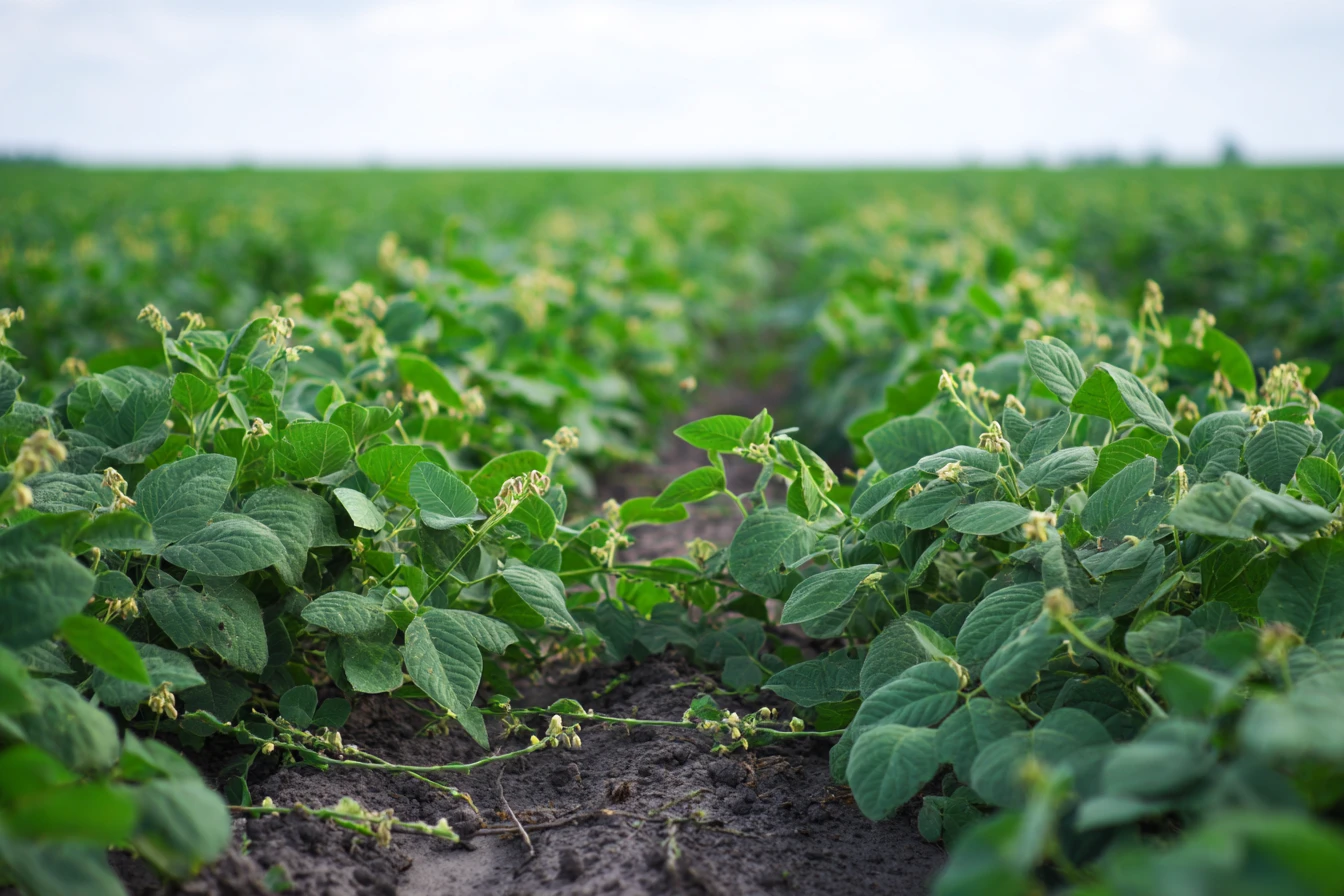
Africa holds nearly 60% of the world’s uncultivated arable land. Yet more than 280 million Africans suffer from hunger every day. This cruel paradox forces us to confront a disturbing reality: the continent that could feed the world struggles to feed its own children. The contradiction is not about a lack of land but about how we use it, value it, and especially how we view those who work it.
This paradox is not unique to Africa. Farmers in Europe and Africa face similar challenges, though in different contexts: devalued work, economic pressure, inadequate policies. But in Africa these problems combine with historical and economic dynamics that dramatically worsen the situation. Understanding these mechanisms is urgent if we want to reverse the trend and build real food sovereignty for the continent.
The great diversion: when African land feeds other continents instead of its own people
Since the 2000s, Africa has seen an unprecedented wave of massive farmland acquisitions. Around 25 million hectares have changed hands in deals involving foreign investors and national elites. These vast areas—equivalent to several European countries—were transferred often in total opacity, far from the eyes of the communities that had farmed these lands for generations.
The phenomenon has a technical name: large-scale land grabbing. Behind it lies a brutal human reality. Entire families lose their ancestral land overnight. Villages suddenly find themselves surrounded by immense industrial plantations stretching to the horizon. Traditional water sources used for centuries become inaccessible—fenced off and guarded. Most of all, the food crops that directly fed local people—millet, cassava, maize—vanish, replaced by giant monocultures meant only for export to international markets.
In Mozambique, tens of thousands of hectares were granted to foreign companies to produce jatropha, a plant touted as a miracle biofuel for European cars. The promises were many: massive jobs, rural development, modernity, prosperity. Reality was different. Many projects were simply abandoned after a few years, leaving degraded, chemically exhausted land and dispossessed communities that could no longer farm their own food. In Kenya, similar projects replaced essential grazing land with vast rose plantations bound for Valentine’s bouquets in European markets, while local herders permanently lost their livelihoods.
These massive acquisitions often failed to deliver the economic benefits trumpeted at the outset. Many concessions stayed entirely unexploited for years, freezing productive land without creating wealth. Others created some jobs—yes—but extremely precarious, poorly paid, seasonal, without social protection, instead of genuinely improving local food security as promised. Worse, these projects systematically replaced diverse, autonomous farming systems that had fed families for generations with rigid industrial models dependent on expensive imported chemical inputs and fully oriented toward volatile international markets rather than local needs.
The environmental impact is also devastating and lasting. According to CIRAD, land grabbing contributes massively to deforestation, irreversible loss of biodiversity, chemical soil degradation, and severe depletion of water resources. Entire ecosystems are destroyed to make way for industrial monocultures that, ironically, impoverish land instead of valuing it sustainably.
Deep structural obstacles: scarce irrigation, archaic tools, failing policies, and social devaluation of farming
Land grabbing is not the only culprit. If millions of fertile hectares lie fallow while hunger persists and worsens, it is also because African agriculture faces structural obstacles that public policies have never truly taken seriously or treated with the urgency they deserve.
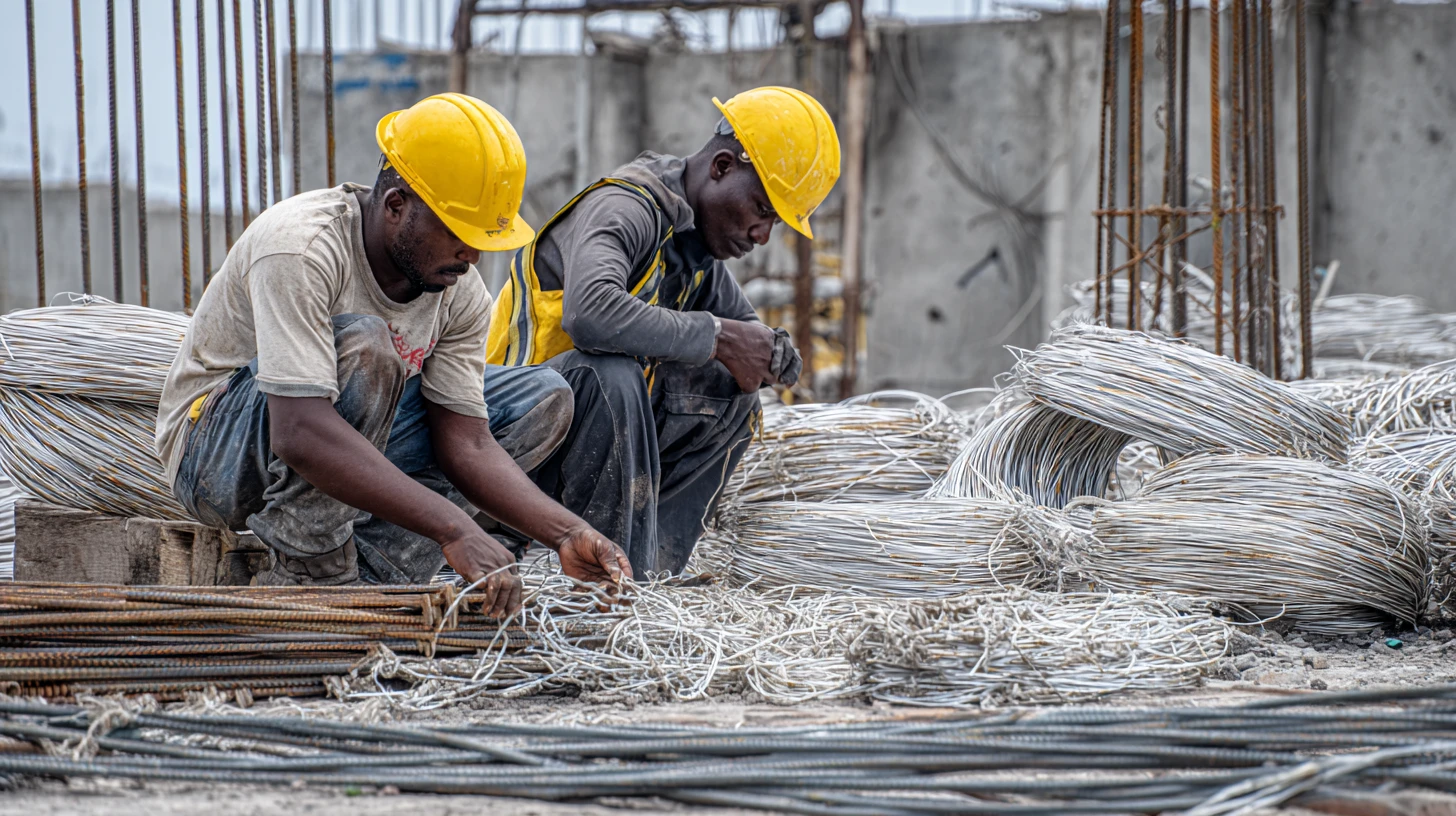
First, smallholders lack modern tools and basic technology. In sub-Saharan Africa, only about 4% of cultivated land is properly irrigated. The rest relies entirely on rainfall that is increasingly irregular and unpredictable due to climate change hitting the continent hard. Farmers often still use rudimentary hand tools inherited from grandparents, with no real access to improved seeds, affordable fertilizers, or practical training that could multiply yields.
Second, post-harvest storage and processing infrastructure is dramatically insufficient across the continent. Tons of food rot each year after harvest for lack of proper silos, cold rooms, and usable roads to transport products quickly to markets. This enormous loss is unacceptable when millions go hungry just a few kilometers away.
Third, access to agricultural credit remains an unattainable luxury for the overwhelming majority of small producers. Without start-up capital, investing in efficient tools, buying quality inputs, or paying extra labor during critical periods is impossible. Banks view farmers as risky clients and routinely deny loans, creating a vicious cycle of rural poverty that is almost impossible to break.
Fourth, national agricultural policies often favor large export-oriented farms rather than the small producers who actually feed local populations. Subsidies, when they exist, rarely reach the poorest farmers. Training and agricultural extension programs are underfunded, poorly organized, and fail to reach remote villages that need them most.
Fifth—and perhaps the most insidious and difficult to solve—farming is socially perceived as a job of misery, a degrading occupation for those who could not study. African youth dream of moving to the city, finding an office job with air conditioning, wearing a suit instead of carrying a hoe. This deep social devaluation of farming fuels a massive rural exodus that strips the countryside of young, strong labor while swelling cities that cannot absorb it. This erosion of traditional values and generational rupture also hits other aspects of rural life, like the declining interest in traditional festivals in West Africa, creating a profound identity crisis in communities.
Concrete, realistic solutions: secure land, revalue farmers, expand irrigation, train, and build food sovereignty
Faced with this bleak but real picture, fatalism would be an inexcusable mistake. Concrete, proven, realistic solutions exist to transform African agriculture and end this cruel paradox of hunger amid potential abundance.
The first absolute priority is to legally secure smallholders’ and rural communities’ land rights. As long as farmers are not certain they can keep their land, they will never invest in long-term improvement. We must legally recognize customary land rights, drastically simplify land registration procedures, and protect communities against abusive expropriations and fraudulent acquisitions. Several African countries have begun reforming land laws this way, but efforts must intensify and, above all, translate into reality on the ground.
The second priority is to revalue farming socially and economically to make it attractive to African youth. That involves several levers: significantly improving farm incomes through better guaranteed prices and fair marketing channels; massively developing modern technical training so young people see agriculture as an innovative, technological sector rather than archaic; easing access to agricultural credit at reasonable rates—a challenge shared by young African entrepreneurs facing structural obstacles; and promoting modern, profitable, environmentally respectful farm business models that can inspire a new generation of agri-entrepreneurs.
The third priority is the massive expansion of irrigation. Moving from 4% to 20 or 30% irrigated land would greatly increase yields, secure harvests against increasing climate shocks, and allow multiple crop cycles per year instead of just one. This requires substantial public investment in water infrastructure: dams, canals, drip systems, solar pumps. Several water-efficient irrigation technologies suited to small farms already exist and must be widely disseminated.
The fourth priority is strengthening storage, processing, and marketing infrastructure. Build modern silos in every farming region; develop local agro-processing units that create added value and jobs; improve rural roads to open up producing villages; create organized wholesale markets where farmers can sell directly without middlemen who capture most of the margin. These infrastructures will drastically cut post-harvest losses and improve producers’ incomes.
The fifth priority is fundamentally reorienting national agricultural policies toward food sovereignty rather than exports at any cost. That means prioritizing food crops that directly feed local populations; actively supporting family and smallholder farming that employs most of the rural population; intelligently protecting local markets from massive imports that ruin domestic producers; and investing heavily in agronomic research tailored to African conditions rather than importing ill-suited models.
At Betfrika, we believe African agriculture can feed the continent with dignity—and even contribute to global food security—but that requires a deep transformation of policies, mindsets, and practices. If you share this vision and want to contribute concretely to this necessary transformation, we invite you to join us. Discover our agricultural initiatives and engagement opportunities on our Work with Us page or contact us at info@betfrika.org. Together, let us turn the paradox into shared abundance.

Betfrika Team
Insights & Perspectives
Jan 2, 2025