Accident in class: who should know how to act first? Students or supervising adults—discover the stakes and the most effective priority.
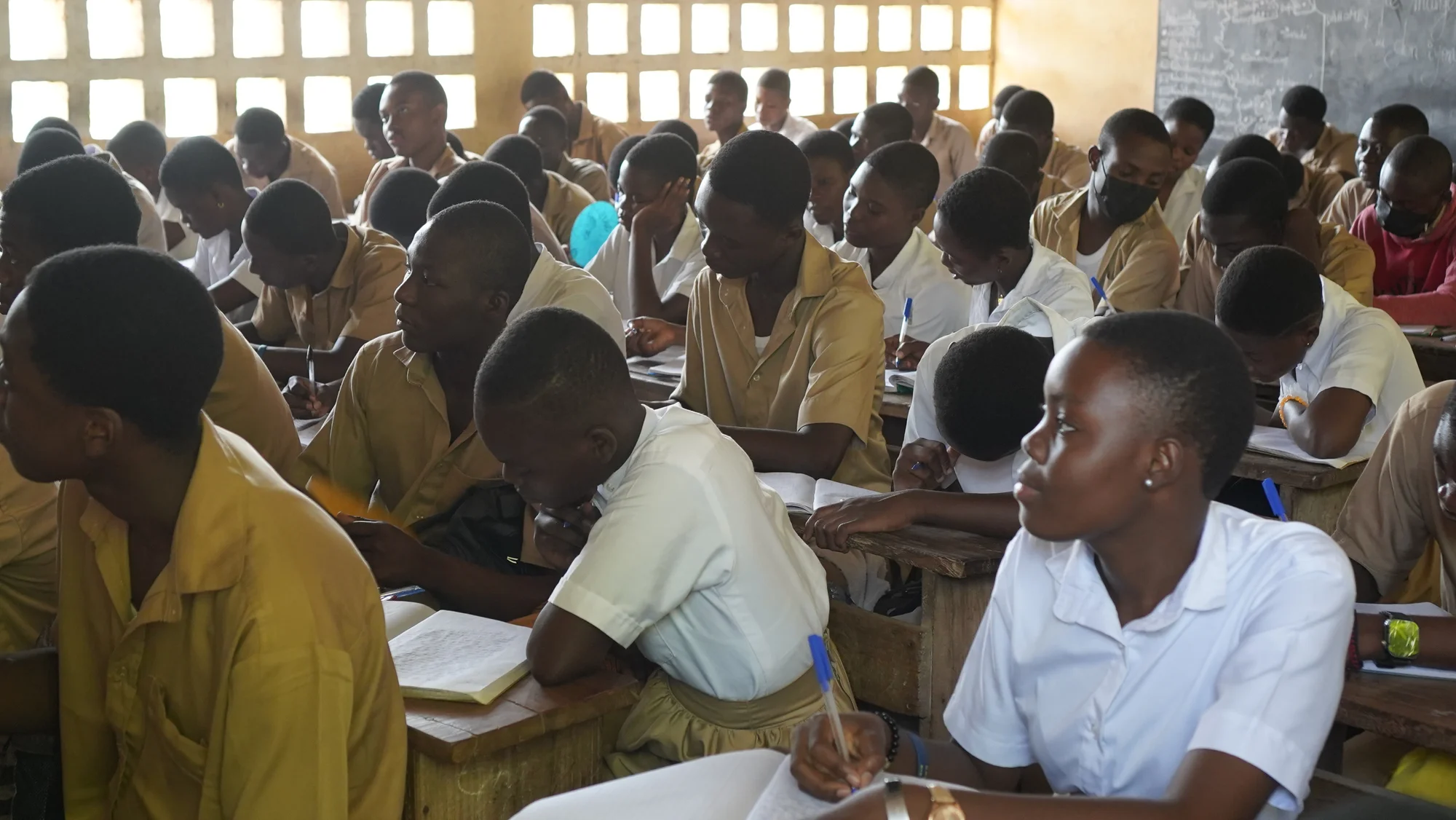
In the playground of a primary school in Lomé, a child suddenly collapses. Classmates scream, panic, run in every direction. Teachers rush over, but no one knows exactly what to do. Minutes tick by—precious, irreplaceable. This scenario is, unfortunately, not rare. In Togo as elsewhere, children’s lives can shift in seconds simply because no one was trained to respond properly.
The question becomes crucial: who should be trained in first aid in our schools? The students themselves, or the adults who supervise them?
This goes beyond a simple pedagogical debate. It touches children’s safety, the responsibility of adults, and a school community’s ability to protect its most vulnerable members. Around the world, several approaches coexist. Some organizations, notably the Red Cross, advocate training groups of students to create small teams of budding rescuers inside schools. Others, like Betfrika e.V., believe the absolute priority must be training teachers and educational staff. Exploring both views helps reveal what truly works on the ground.
To grasp the urgency, we must measure the reality of school accidents. In Togolese schools, as Kofi’s asthma crisis reminds us, every minute counts. A child can suffocate, another can fall hard, and without proper actions or equipment, the situation can turn tragic.
These situations are not exceptional. They happen everywhere in the world. What makes the difference is not luck, but the presence of people trained in first aid and the right equipment. In several countries, this reality is now taken into account. In France, for example, first aid training and awareness are integrated into the school path and professional framework for educational staff. In Togo, this systematization is still largely absent, leaving schools unprepared in emergencies.
On the ground, Betfrika teams see the same thing: teachers often face critical situations alone—without training, without a functional first-aid kit, relying only on instinct. Improvisation is dangerous in first aid. A wrong move can worsen a child’s condition, and hesitation can be fatal.
Training students in first aid can seem ideal. It values children, builds their sense of responsibility, and encourages mutual support. Playful training programs show that children can learn early to recognize danger, call for help, and adopt protective behaviors.
However, this approach quickly shows limits outside theory. A child, even trained, is still a child. Faced with an unconscious classmate, heavy bleeding, or severe respiratory distress, the emotional burden can be paralyzing. Fear of doing harm, shock, or panic can prevent effective action.
There is also a continuity issue. Students change every year. They grow up, leave the school, and take their skills with them. Training only students builds a fragile, discontinuous, and hard-to-maintain chain of care. And one essential question remains: can we reasonably entrust a child’s life to another child? On the ground, the answer is often clear.
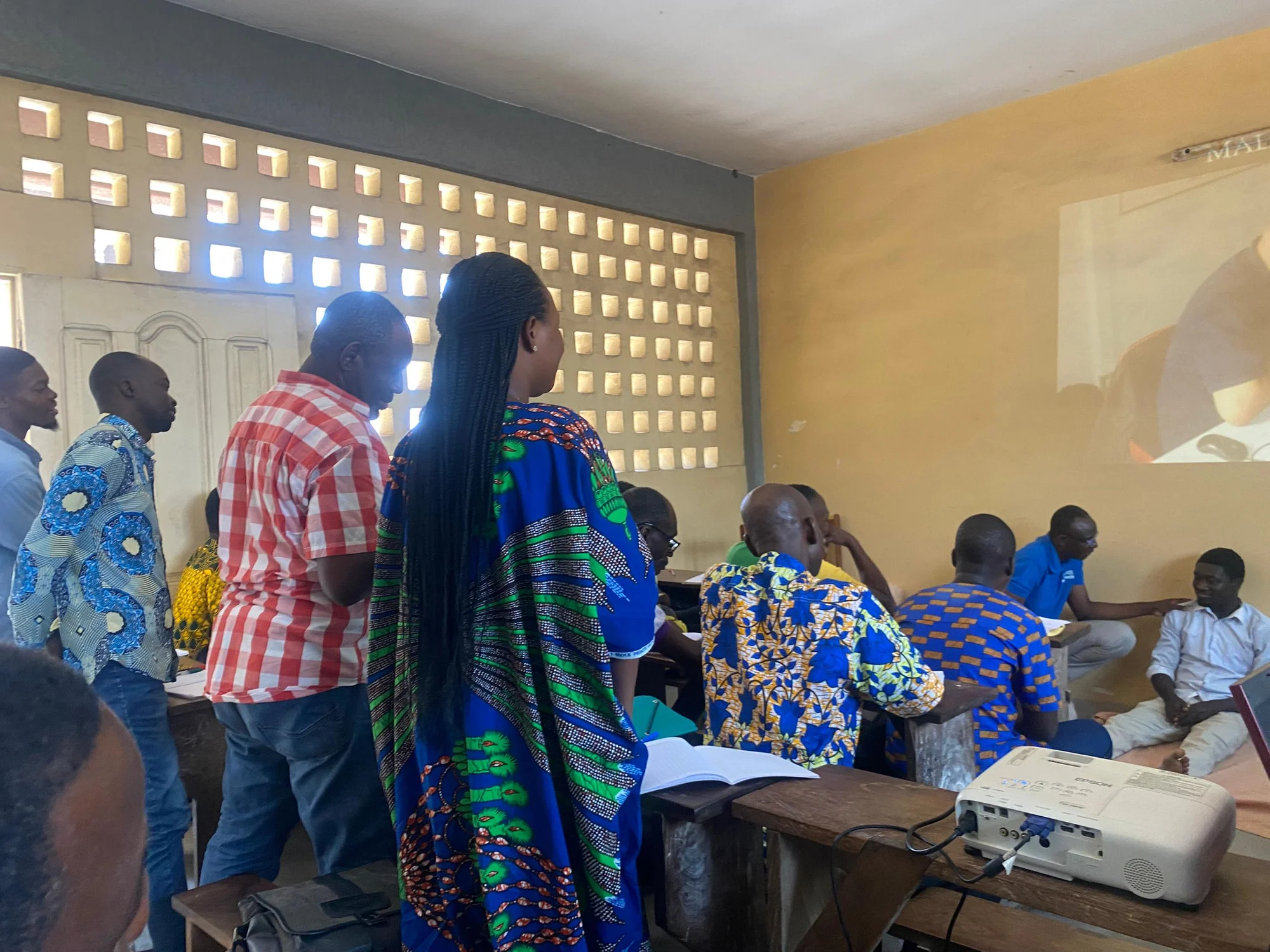
Training teachers and educational staff is not a luxury or a secondary option. It is a necessity. Adults are present all year, know the students—their vulnerabilities and history—and carry the legal and moral responsibility for their safety. Unlike children, they have the emotional maturity, authority, and stability to act fast and coordinate help.
Within the FAS (First Aid Skills) project, Betfrika defends a simple idea: a trained, equipped, confident adult can make the difference between a contained incident and an irreversible tragedy. Training one teacher creates a lasting reference in the school. Training an educational team builds a prevention culture where people do not wait for an emergency to decide what to do.
The FAS project does not oppose training students. On the contrary, it fully recognizes its educational and civic value. However, it sets a clear hierarchy in emergencies. Priority goes to training teachers and school staff in first aid adapted to local realities. At the same time, schools must be equipped with truly functional first-aid kits—accessible and understood by those who will use them. Students, for their part, should be sensitized gradually and age-appropriately so they know how to alert, protect, and adopt the right reflexes without bearing responsibility that should not be theirs.
If you want to take part in this concrete mission, discover our international volunteer program.
This approach builds a coherent chain of care inside the school: children alert, adults intervene, and the institution fully plays its protective role.
The answer is simpler than it seems. It is not about choosing between the two but about not putting them at the same level of responsibility. Training students without training adults creates an illusion of safety. Training adults guarantees that at any moment someone will know what to do, how to do it, and with what tools.
Every minute counts. Every untrained school is an avoidable risk. Every teacher left without tools is a collective responsibility not assumed. The FAS (First Aid Skills) project does not seek to create heroes but to prevent tragedies that should never happen.
Because if tomorrow, in a playground, a child collapses again, the real question will no longer be who should have been trained, but why no one was.

Betfrika Team
Impact & Stories
Jan 2, 2025