A man collapses in Lomé. Who acts, how, and why first-aid training can change everything through the FAS program.
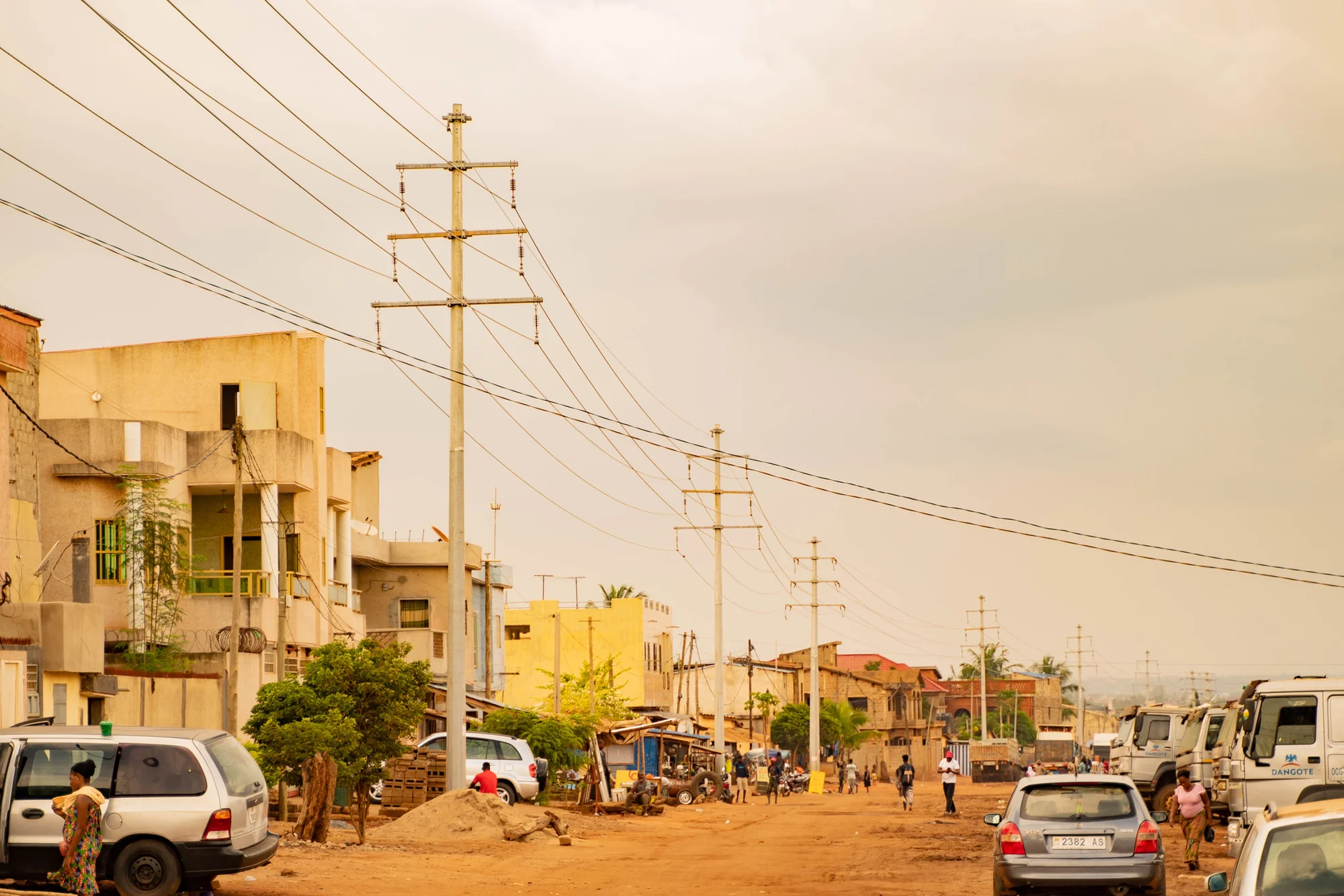
That morning in Lomé, the avenue was already packed. Moto taxis honked, vendors called out to passersby, students in uniform weaved through traffic. A dense, lively, noisy crowd. Then, in seconds, chaos.
Kossi, forty, stopped cold. He clutched his chest. His breathing turned short and wheezy. He is asthmatic. His attack was violent—too violent. His legs gave way and he collapsed, unconscious.
Around him, the crowd closed in. Someone shouted. Another proposed carrying him. A third looked for a taxi to drive him to the hospital. No one thought to clear his airway. No one looked for a first-aid kit. And for a simple reason: most people did not know what to do. According to local statistics, over 98% of residents have never taken basic first-aid training.
In this kind of situation, the first minutes are decisive. While bystanders hesitate, the minutes slip away. Firefighters are called, but heavy traffic and distance slow them down. Ten minutes, fifteen—an eternity when someone cannot breathe. Without quick intervention, the risk of death is high.
A man driving slows when he sees the crowd on the roadside. He is a doctor on his way to work. He stops, gets out quickly, and pushes through to Kossi. He was not called; he was not expected; he just happened to pass at the right moment. He takes a quick look, checks breathing, tries to organize those around him, and asks people to make space. But time had already gone. In such distress, a few minutes can change everything. This scene highlights a brutal reality: even when a professional passes by chance, it does not replace trained witnesses able to act immediately, in the very first seconds.
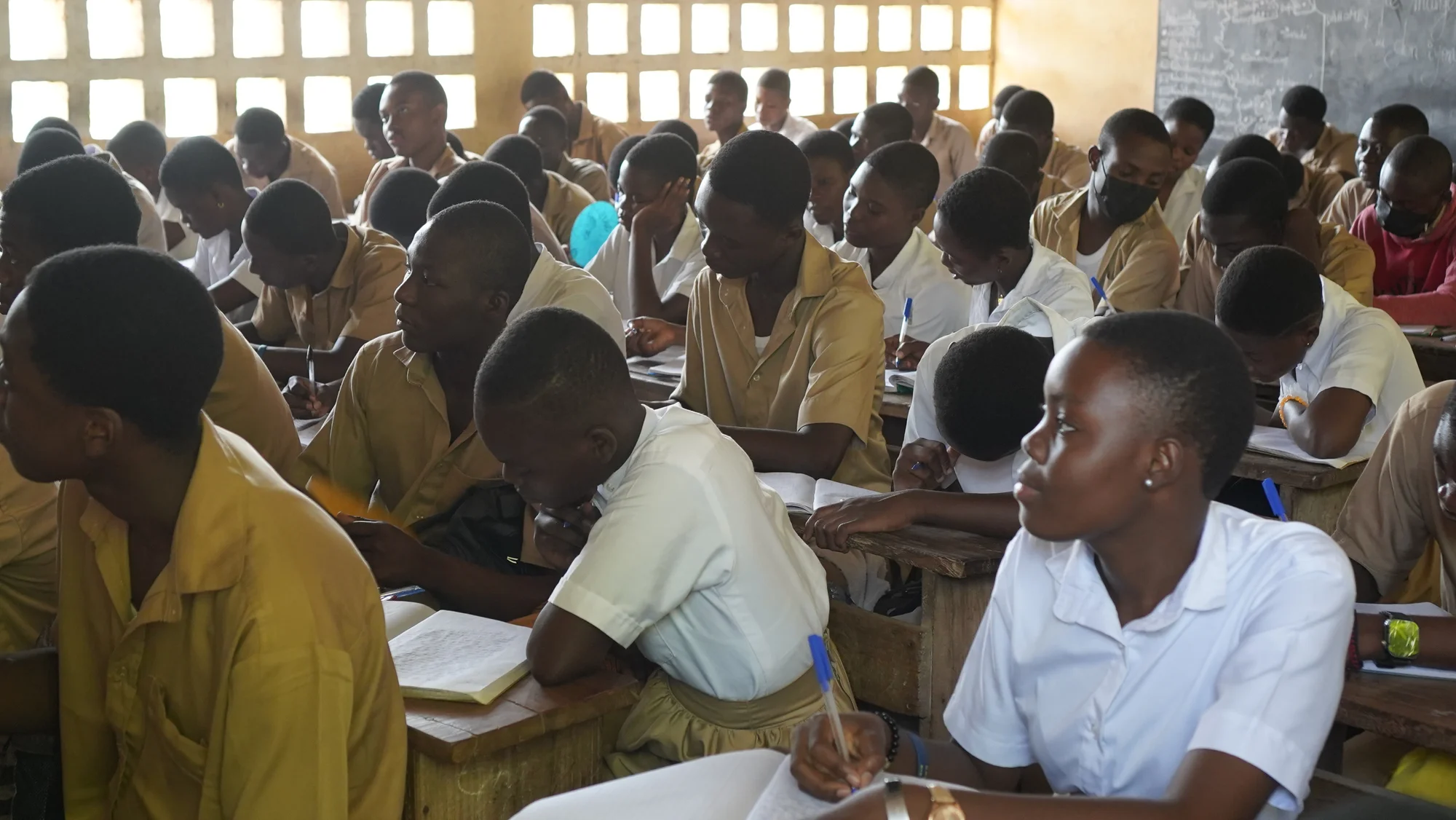
This scene unfolds in a crowded public place—the very type where accidents are frequent: streets, markets, schools, playgrounds. In Togolese schools the problems are the same: no or few first-aid kits, untrained teachers, students left to themselves in accidents, late calls for help. To understand who should be trained first and which measures to prioritize, see our focus on first aid in schools. Sadly, not all stories end like Kossi’s. Madame Joana lost her child after an asthma attack at school because there was no inhaler; Monsieur Tamélokpo lost his child after hemorrhaging from a stairway accident.
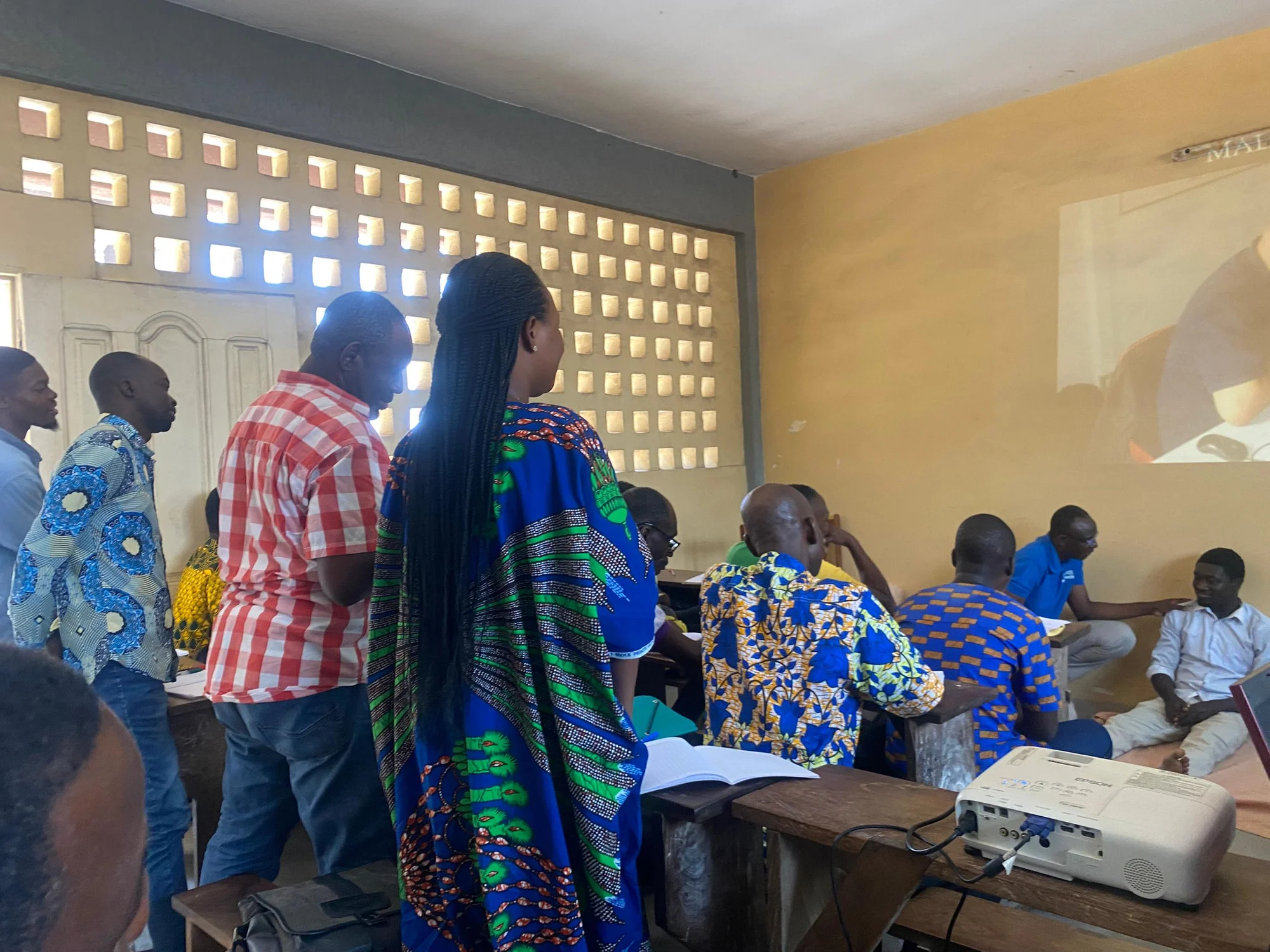
This kind of scene explains why Betfrika launched the FAS program. The goal is not only to equip a few schools or train a few adults. It is to change a collective reflex. Train teachers and supervisors, introduce students to lifesaving gestures, install kits where risk is real, and make basic intervention as natural as calling for help. To see how these crises unfold at school and which solutions help. In an emergency, the difference is rarely made at the hospital—it is made before, in the very first minutes. That is how we prepare the next generation: students trained today who become tomorrow’s bystanders, able to recognize distress, secure a situation, call correctly, and act without panic. No more relying on chance, no more waiting for a doctor to drive by at the right moment—build a society where someone always knows what to do. Train, equip, repeat, so that in the street, at the market, in a schoolyard, there is a hand ready to make the first gesture that keeps someone alive until help arrives.

Betfrika Team
Impact & Stories
Nov 18, 2024