One asthma attack in class is enough: without gestures or a kit, every minute counts. Why school first aid in Togo must become a priority.
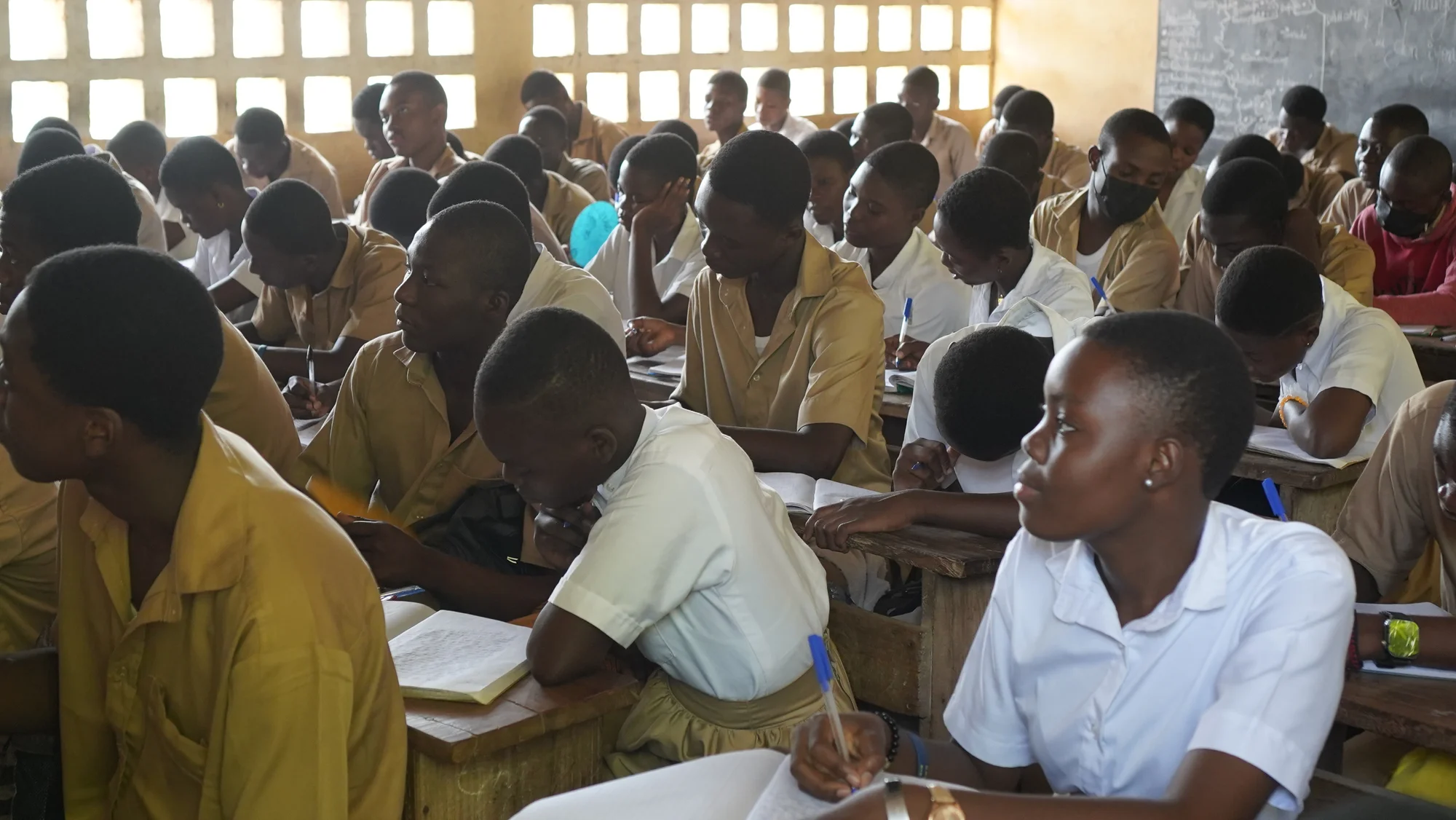
That morning in a fifth-grade classroom in Lomé, everything seemed ordinary. Children recited geography, a fan stirred the hot dry-season air, and Ms. Akossiwa wrote on the board. Then suddenly a short breath. A wheeze. Kofi, sitting in the third row, clutched his chest, eyes wide. His classmates turned toward him. The teacher too. But no one understood what was happening. Kofi was having an asthma attack, and in this school—as in so many others in Togo—there was neither an inhaler, nor a first-aid kit, nor training to handle the emergency.
This story is not isolated. Madame Joana and Monsieur Tamélokpo shared their painful experiences: Madame Joana lost her child after an asthma attack at school because there was no inhaler, and Monsieur Tamélokpo lost his child after hemorrhaging from a stairway accident. These cases show the risks students face because of the lack of first-aid knowledge in Togolese schools.
In Togo’s schools, medical emergencies strike without warning—often during class, recess, or a field trip. A child chokes on a piece of fruit. Another falls hard in the courtyard and hits his head. A girl with asthma starts suffocating, her lips turn blue. These everyday situations become dramatic when no one knows lifesaving gestures. School is a place where risks are frequent because of interaction, carefree play, and many children across various physical activities. Stairs, hallways, classrooms, the courtyard, labs, bathrooms, and sports areas are where accidents happen most.
Togo’s school system has been scarred by tragic accidents in recent years. On 27 September 2023 at the N’Gobo public primary school in Blitta (Central region), a classroom wall collapsed just after classes resumed, killing two students—a six-year-old girl and a seven-year-old boy. The teacher was also seriously injured. Another example: a young girl nearly died at EPL ECHO DU SAVOIR after an untreated asthma attack.
This is not about negligence. Togolese teachers are devoted, attentive, and caring. But they have simply never been trained in first aid. They have never learned to recognize an asthma attack, perform chest compressions, put a child in the recovery position, stop bleeding, or react to an obstructed airway. Even if they had the knowledge, most schools have no equipment: no first-aid kit, no backup inhaler, no emergency number on display, no clear protocol.
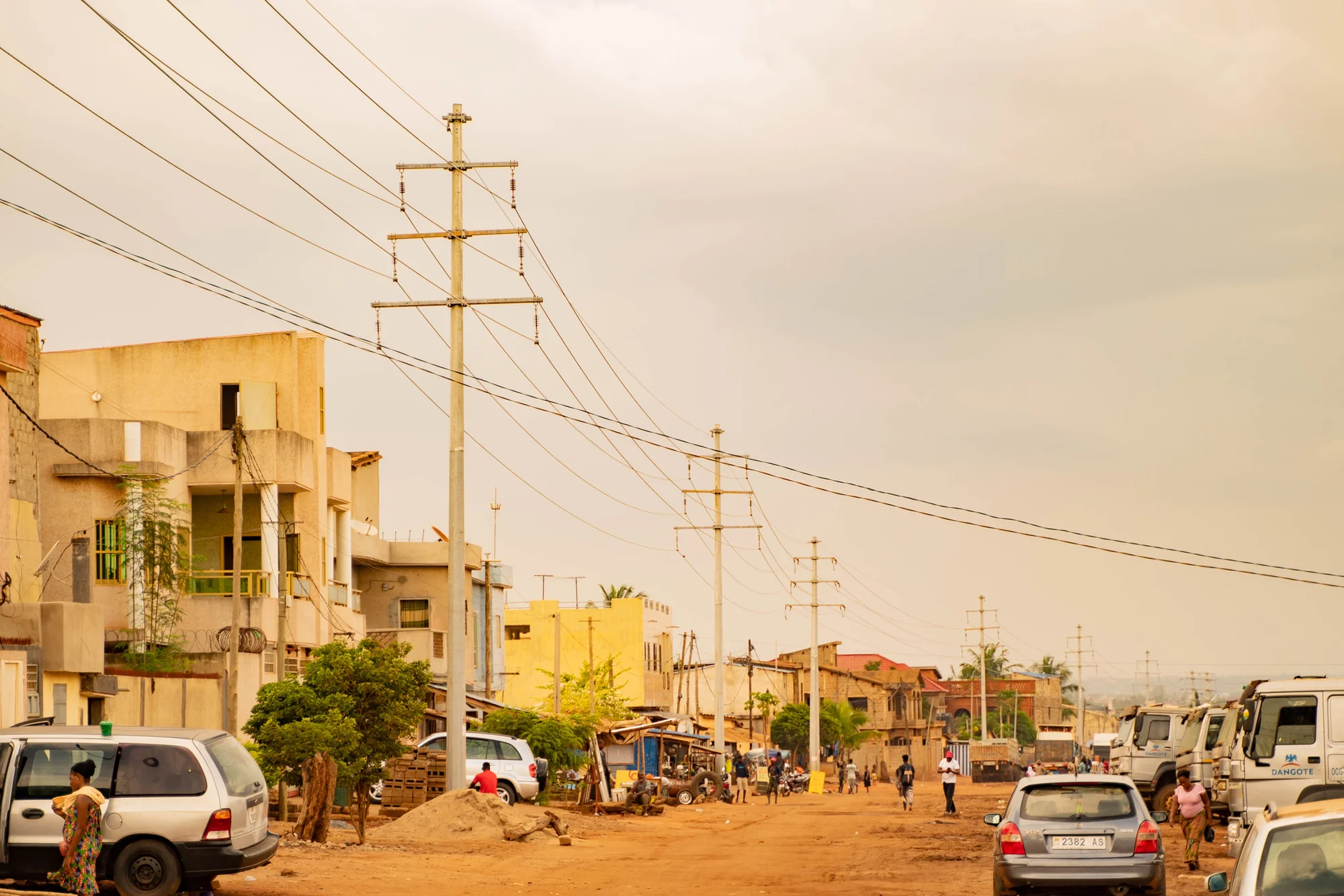
The picture is alarming. In more than 96% of West African schools there is neither first-aid equipment nor proper training for teachers. In public and private schools in Togo, first-aid resources are almost nonexistent. Rural schools are the most vulnerable: clinics are often kilometers away, roads are poor, and communication limited. When an emergency occurs, waiting for an ambulance or transporting the child can be fatal.
Fortunately, several initiatives are starting to make a difference. The Lycée Français de Lomé organizes lifesaving-gesture sessions for 7th-graders and certified First Aid Citizen training for 9th-graders, reaching all students from 7th to 12th grade. ASTOVOT Togo trained 2,000 high schoolers, 200 moto-taxi drivers, and 40 teachers in Kpalimé in key gestures like chest compressions, recovery position, and handling accidents. The Togolese Red Cross regularly trains its volunteers in basic first aid to strengthen community response to emergencies.
Facing this urgent need, Betfrika launched the First Aid Skills project to train teachers and students in first aid and equip Togolese schools with functional kits. The project rolls out three-month training waves twice a year. To date, 60 schools have been covered, 153 first-aid boxes distributed, and 1,200 teachers fully trained. The program also offers opportunities for medical students to volunteer. To see how we prioritize who to train first, read our focus on school first aid in Togo.
Simon, a primary teacher in Lomé, testifies: “The FAS project addresses an urgent problem. Before this training, I had never taken any first-aid course.
The most common issues needing first aid at school are often wounds, foreign bodies, burns, food poisoning, electrocution, and animal bites in out-of-town schools. Simple actions like putting a child in the recovery position, properly compressing a wound, or spotting signs of shock can make the difference between life and death. According to the International Committee of the Red Cross, first aid at school is an essential life-saving tool, especially where access to emergency care is limited.
The time between an accident or crisis and the arrival of medical help can mean losing a life. If Kofi’s school had been equipped and trained, the teacher would have checked consciousness and breathing and gauged severity. Help would have been called immediately with precise information. Clean, appropriate equipment would have allowed proper intervention. While waiting for help, the right actions could have stabilized the child.
Every day, students like Kofi face avoidable risks. The point is not only to react to an emergency but to build a generation that knows how to act. A student trained today becomes a capable adult tomorrow—in class, on a bus, in the street, at the market. This “future generation” logic should guide school first aid: learn early, repeat, normalize the right reflexes, and equip schools so gestures can truly be applied. Train a teacher, equip a school, display a simple protocol—these concrete decisions turn panic into action.
Betfrika carries this ambition through the FAS program, training teachers and students and providing tailored first-aid kits. To connect the school and public spaces in the lifesaving chain, see first aid in the street: the story of a violent asthma attack and the gestures that make the difference. If you are a parent, ask the school whether a kit exists and whether an adult is trained. If you are a teacher or principal, propose a training session and identify a first-aid lead. And if you want to support FAS, contribute with a donation, equipment, or volunteering. Protecting students is not optional; it is a collective responsibility.

Betfrika Team
Impact & Stories
Jan 2, 2025