In Lomé, 15-year-old Koffi explored 188 books in two years. Spark, method, reading log, and lessons to inspire other teenagers.
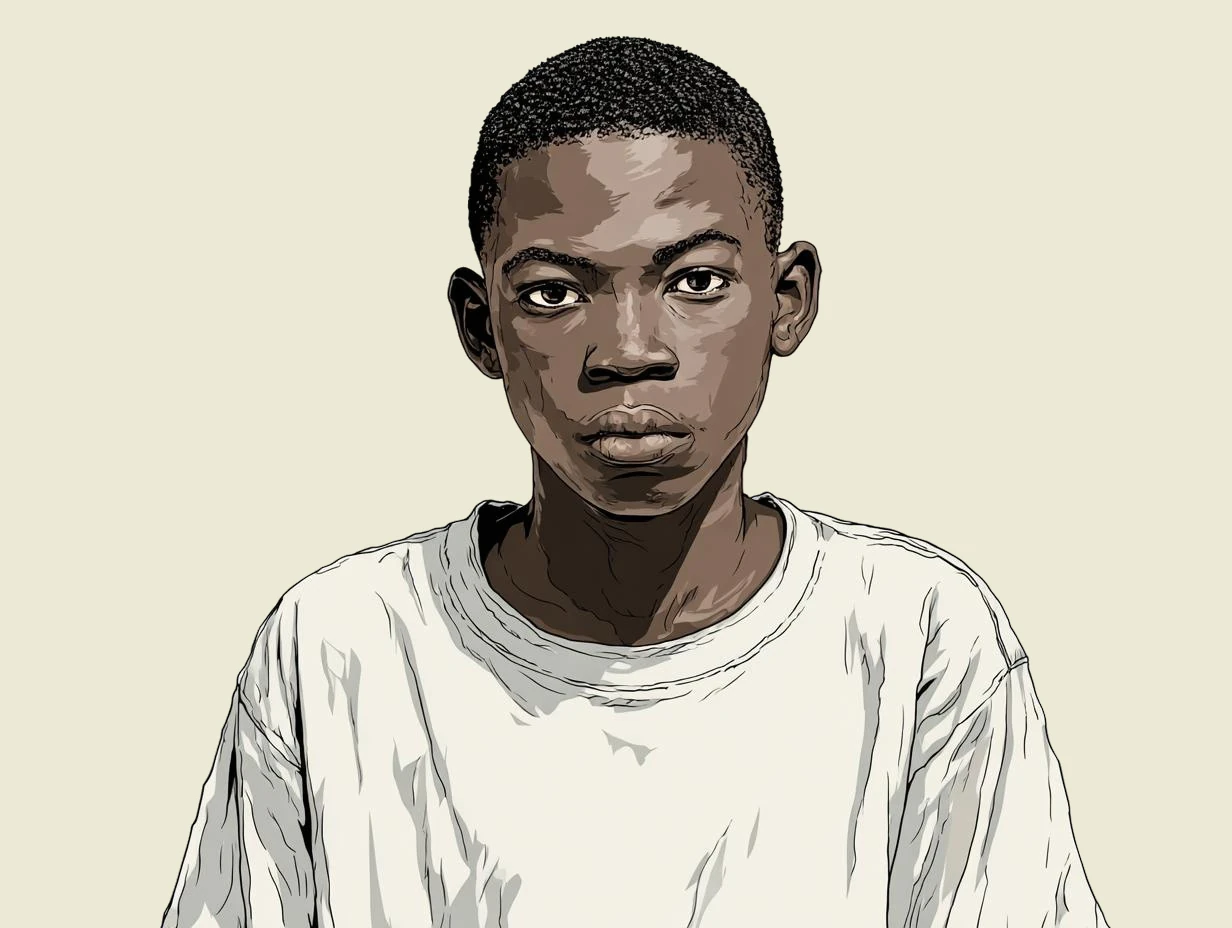
Some stories restore faith in the future. Simple, almost quiet stories that can change a life. Koffi Agbodji’s is one of them. At just 15, this middle-schooler from Lomé explored 188 books in two years—not to break a record, but to understand the world, widen his view, and feed his hunger to learn.
His journey reminds us of something essential: reading is not a luxury. It is a tool. A lever. A door to other possibilities. And when that door opens early, it can change a life path.
It all begins almost by chance. At 12, Koffi discovered books in an unexpected way. His uncle, who owns a street bookstore in Lomé, became, without knowing it, his best friend. Among the piles of books displayed in the sun, Koffi found privileged access to knowledge. First drawn by the book covers, he soon dove into reading—discovering old adventure novels about travel, fear, and courage. He realized that books do not only talk about faraway worlds, but also about him, his environment, his continent, and his dreams.
This closeness to his uncle’s books became his greatest treasure. While other children have to save to buy a single book, Koffi had access to a moving library that constantly renewed itself.
From that day on, he read relentlessly. Novels, biographies, historical accounts, science, geography. He read at school, at home, under a solar lamp, sometimes even while walking. Books became his favorite exploration ground.
At 13, his uncle gave him a challenge, casual but ambitious: read 250 books in a year. A goal that might seem impossible but lit a spark in Koffi’s eyes. He did not reach that dizzying number, but over two years he still went through 188 books. Reading became a method, a discipline, an organized adventure. Throughout those two years, he developed critical thinking, autonomy, and curiosity. Little by little, something changed. His vocabulary grew. His way of asking questions evolved. He no longer just learned; he wanted to understand.
Koffi’s story is inspiring, but it also reveals a harsher reality. He had the extraordinary luck of having an uncle who not only challenged him but also gave him free access to books. Koffi took great care of each volume, returned them in perfect condition so he could borrow new ones. This relationship of trust and this privileged access let him devour nearly 200 books without spending a franc.
But how many other young Togolese, just as curious and motivated as Koffi, have this chance? How many have an uncle bookseller to challenge them and open the doors of knowledge? How many remain on the sidelines because they cannot afford books or reach a library? The potential is there—young people are ready, curious, and motivated. What is often missing is not ability but resources.
To see how even a simple gesture from the diaspora can change a child’s life, read how one gift book transformed a journey.
That is precisely why the Book Education project exists. So that Koffi’s exceptional story becomes normal. So that every child—whether or not they have a visionary, generous uncle—can access books and turn curiosity into knowledge, dreams into projects.
Koffi Agbodji’s story is not exceptional because he is different. It is exceptional because it shows what becomes possible when a book meets the right reader at the right time, and when an adult believes in a child’s potential.
For another inspiring example of a child transformed by reading, discover Nikoué’s story and the lesson about books.

Betfrika Team
Impact & Stories
May 12, 2024