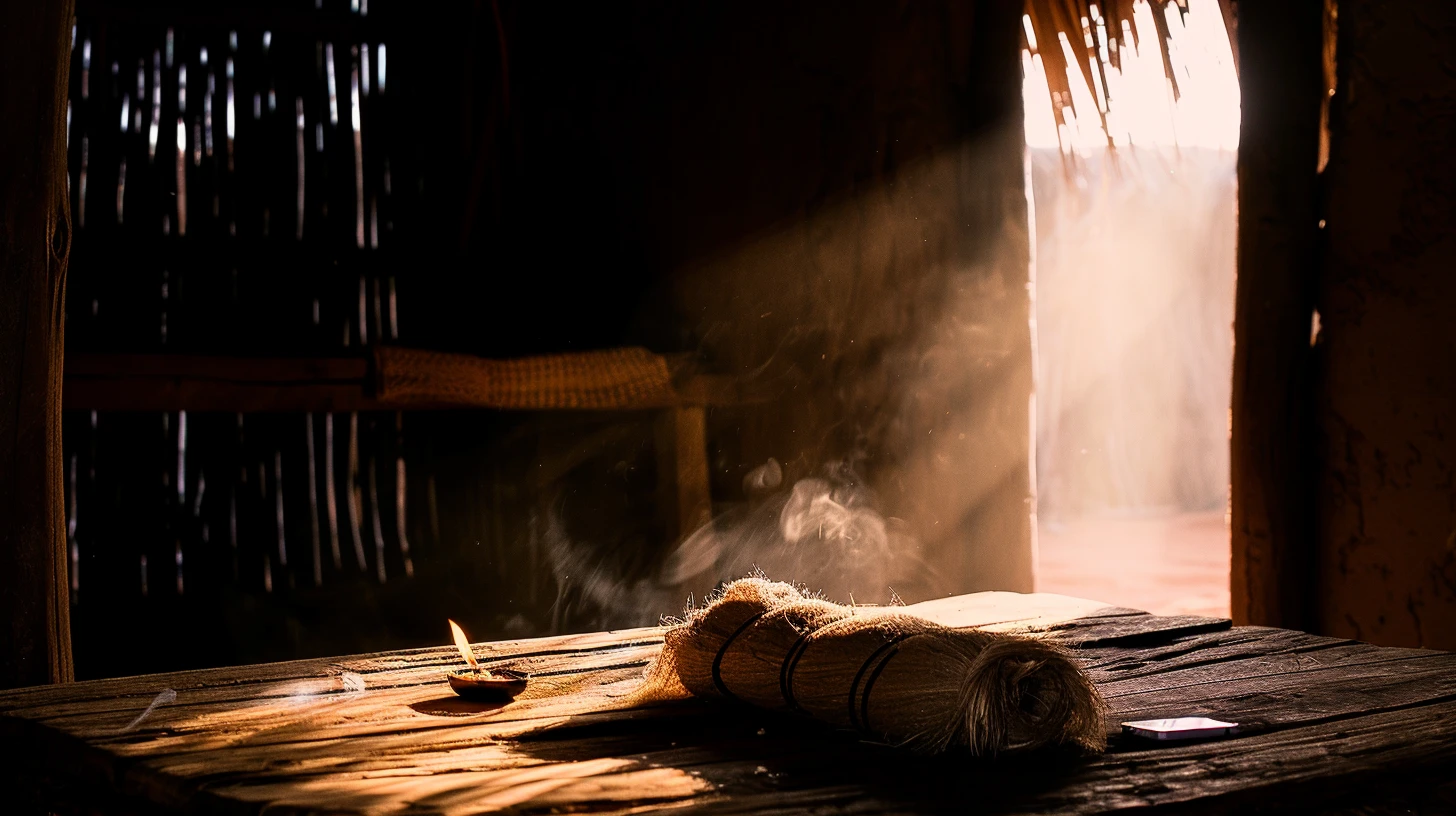
When secrecy becomes spectacle, African mysteries lose their force. A critical look at profaning the sacred in the media age.
Across Africa are age-old traditions passed down through generations, wrapped in a veil of mystery that few dared lift. Often spiritual and sometimes inexplicable, these practices formed the heartbeat of many communities. Yet for some decades, a new wave has risen: media curiosity mixed with greed, pushing some to unveil, film, document, and expose these mysteries to the world.
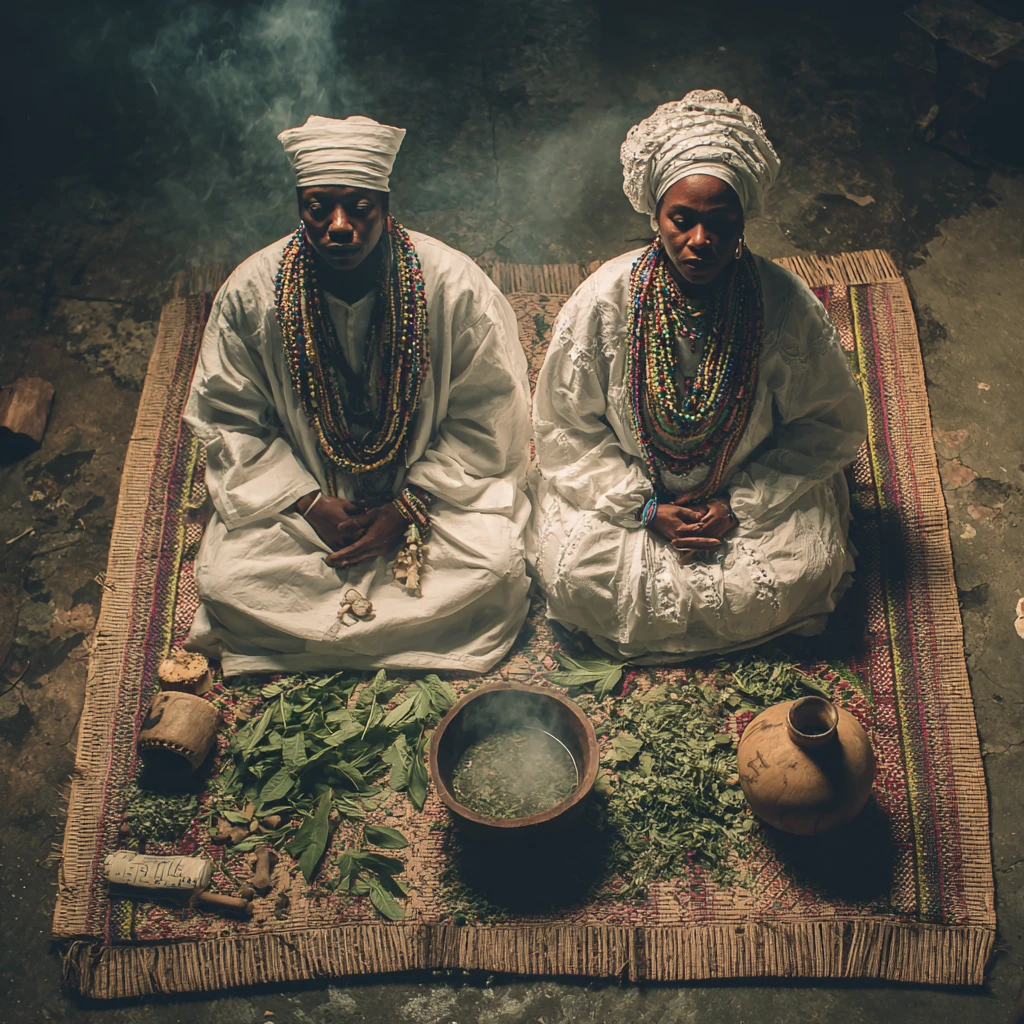
In remote villages of Nigeria, Benin, or Kenya, certain rituals used to take place far from outside eyes. Not out of shame but out of respect. Ancestral wisdom taught that not everything is said, not everything is shown, and some knowledge must be earned rather than consumed. This logic of “not everything is shown” also appears in the growing disinterest in traditional festivals—when enthusiasm fades, transmission weakens.
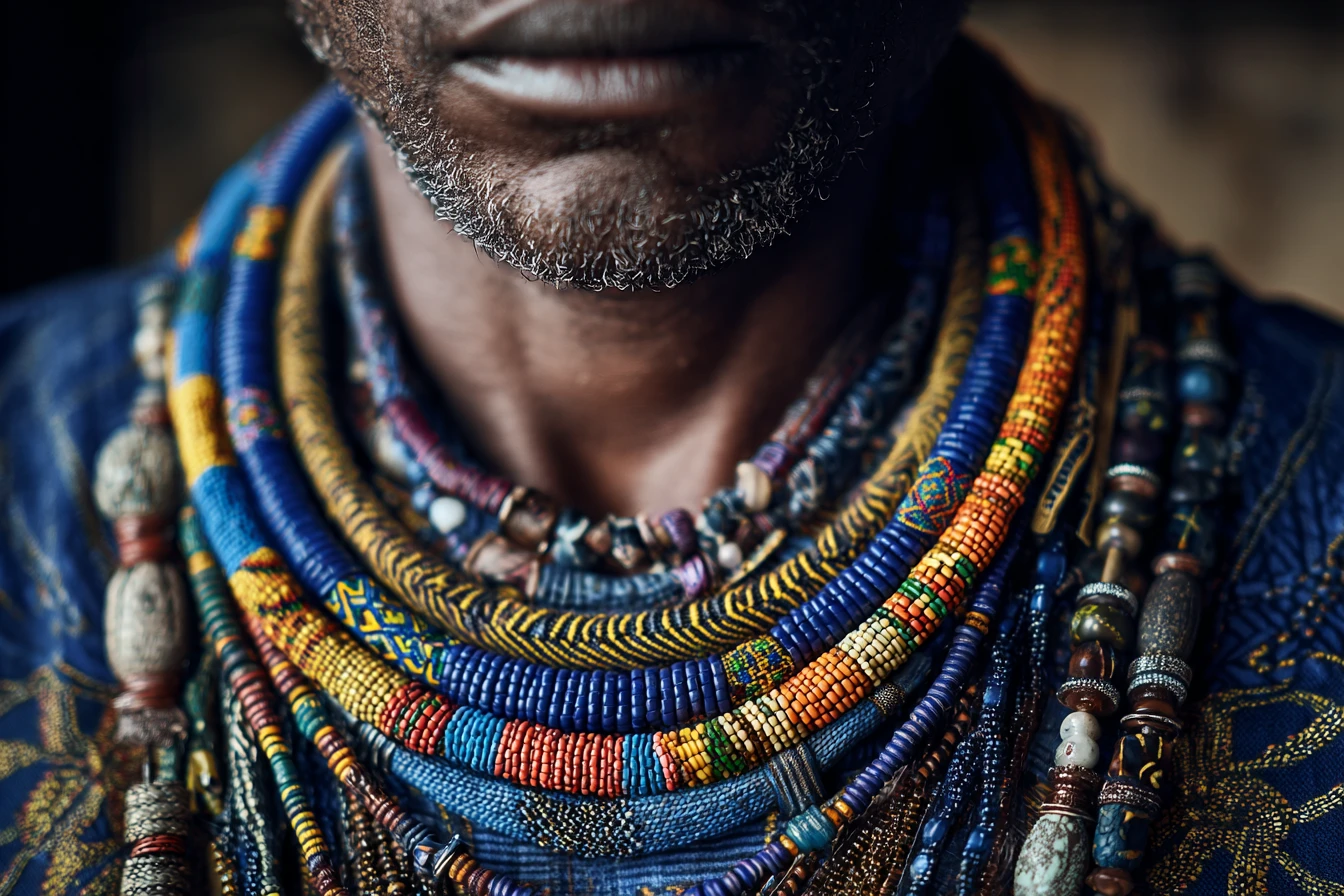
Today cameras show up everywhere. Foreign journalists, filmmakers chasing rare footage, digital creators hungry for exoticism seek the reveal that will go viral. Behind the supposed thirst for knowledge often lies something more prosaic: audience, fame, money. A filmed ritual becomes a viral video. An initiatory secret becomes cultural content. The sacred becomes spectacle. The same shift appears when symbols are stripped of context and consumed as accessories—like the symbolism of African beads, between power and the sacred.
This dynamic is not new. Since colonial times, Africa has been observed, dissected, classified. Its cultures were studied not to protect them but to control them, sometimes to mock them. What changes today is the active participation of some Africans in this exposure. Out of a need for recognition, economic opportunism, or ignorance of consequences, they become conduits of modern profanation. Mystery is delivered turnkey, subtitled, monetized. Greed never needed a passport.
The story of Cameroon’s national team in the 1990s illustrates this in a fascinating way. The Indomitable Lions were feared everywhere. At the 1990 World Cup in Italy, they beat Argentina, the defending champions, and became the first African team to reach the quarter-finals.
People spoke of their exceptional mental strength, of a collective energy impossible to explain by tactics alone. Rumors swirled: rituals, spiritual protections, traditional practices. Nothing was confirmed; everything was hinted at. The players themselves stayed vague, smiling mysteriously at journalists’ insistent questions.
And that blur fed their aura. Mystery intimidated. Opponents doubted before even stepping onto the pitch. But over time came reports, former players’ confessions, explanatory documentaries. As everything was said, the veil lifted. The mystery became just another media analysis. Coincidence or consequence, the team never regained that particular aura, despite later generations of talented players.
The question deserves to be asked honestly: does every mystery deserve to be preserved? The answer is not simple. Some practices hidden under a sacred veil have justified condemnable acts. In those cases, lifting the veil becomes a moral necessity.
It is clear that the sacred stone rite (ÉPÉ ÉKPÉ) of the peoples of Aného in Togo should be documented in the media to rally the younger generation—less involved—to an interest in customs, rites, and traditions. But no one really knows where the sacred stone is taken from or how it is chosen.
The point is not to refuse all documentation or cultural exchange. It is to set clear limits and ask who is telling the story, for whom, and for what purpose. Sacred knowledge is not just another piece of content; a ritual is not a backdrop for an exotic documentary; a tradition is not a marketing hook.
At Betfrika, we believe Africa does not need to be fully explained to be respected. This idea of preserving what matters—cultural or natural—also echoes what our questionnaire revealed among young African entrepreneurs. Some forces draw their power precisely from what escapes the camera, the microphone, and the commentary of self-proclaimed experts.

Betfrika Team
Insights & Perspectives
Dec 5, 2024